Add Row
Add Element
Paw Press News
update

cropper
update
Add Element
  • Home
  • Categories
    • Training
    • Health
    • Nutrition
    • Behavior
    • Grooming
    • Gear
    • Toys
    • Lifestyle
    • Travel
    • Adoption
    • Stories
July 18.2025
1 Minute Read

Why Does My Dog Scoot Its Rear? Solve This Mystery

Have you ever wondered, “Why does my dog scoot its rear?” Watching your pup drag its bottom across the floor can be confusing or even alarming. Is it just a quirky habit, or a sign that something’s wrong? Let’s solve this mystery— uncover what’s behind your dog’s scooting butt and learn how to keep your dog's rear end healthy and comfortable .

  • Discover the most common reasons behind dog scooting and what it says about your dog's rear end health.
  • Understand the role of anal glands, anal sacs, parasites, and food allergies in causing scooting butt behavior.
  • Learn how to identify when scooting in dogs indicates a medical concern and how to provide relief.

The Mystery of Why Does My Dog Scoot Its Rear? What Every Pet Owner Should Know

Pet owners often ask, “Why does my dog scoot its rear?” This puzzling dog scooting behavior is one of the most common reasons people bring their dogs to the vet. While the occasional butt scoot may be harmless, frequent or intense scooting can signal underlying issues with your pet’s rear end health . Owners should pay attention when their dog scoots its rear —it’s their way of telling you something doesn’t feel right, especially in the anal area .

The major causes of scooting range from mild irritation and impacted anal glands to parasites or allergies. By understanding why dogs drag their butts, you’ll know when to relax, when to take action at home, and when to see your vet for a professional opinion. Let’s break down what’s happening behind the scenes and what each type of scooting might reveal about your dog’s health.

Decoding Dog Scooting: Why Does My Dog Scoot Its Rear and What Does It Mean?

Common Reasons Why Does My Dog Scoot Its Rear

  • Anal sac irritation or impaction
  • Intestinal parasites
  • Food allergies and skin irritation
  • Foreign objects or matting near the rear end
"Scooting butt is often your dog's way of telling you something is wrong with their rear end health."
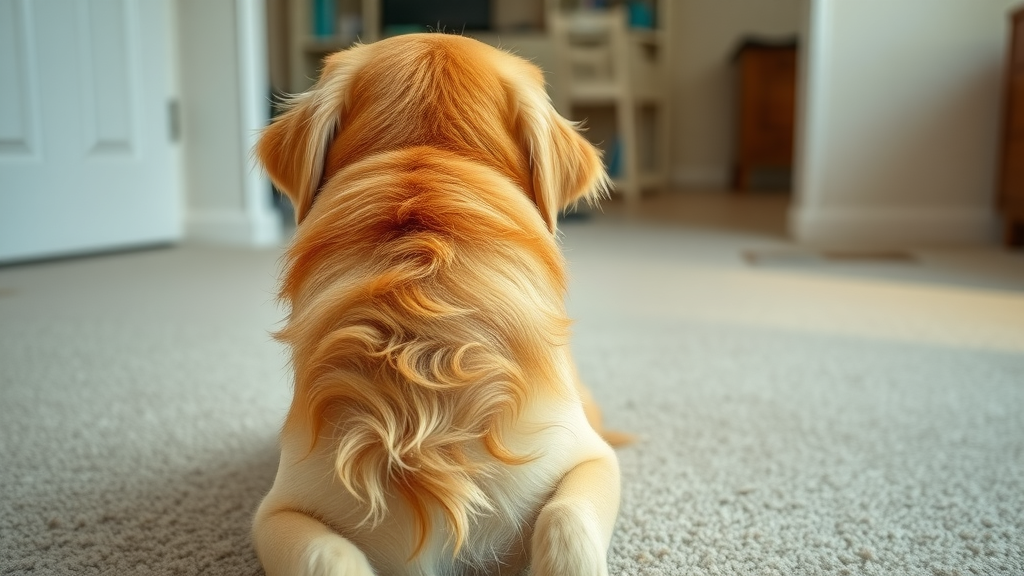
Worried golden retriever looking back at its hindquarters, concerned about dog scooting butt.

The common reasons dogs may scoot include anal gland discomfort (usually caused by impacted or irritated anal sacs located on either side of the anus), intestinal parasites such as tapeworms or roundworms, skin allergies , or even stuck debris or fur mats. Each of these conditions causes irritation, which the dog tries to relieve by dragging or scooting its behind along the ground. While sometimes scooting might look amusing, ignoring it can lead to worsening gland problems, infections, or ongoing discomfort for your furry friend.

Observing your dog scooting can give you valuable information about their anal glands and rear ends. Dogs drag their rears to communicate their discomfort. If this behavior increases or is paired with other symptoms—like licking, redness, swelling, or foul odor—it’s time to dig deeper and address the root cause.

Anal Sac and Anal Gland Issues: The Leading Answer to Why Does My Dog Scoot Its Rear

How Anal Sacs and Anal Glands Cause Dog Scooting

  • Anatomy of anal sacs and their function in dogs
  • Causes of anal gland impaction or infection
  • Symptoms of anal gland problems beyond scooting butt

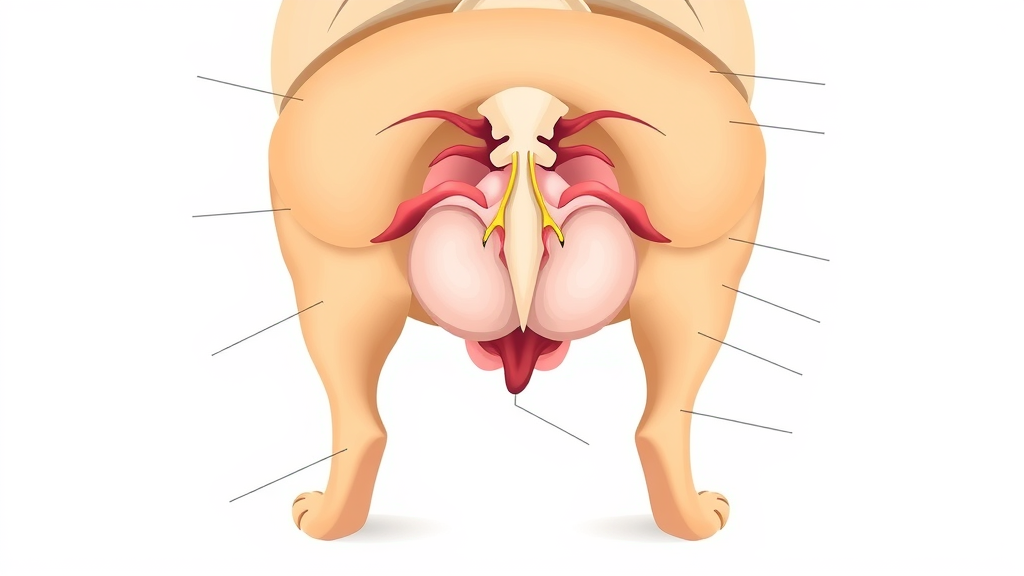
The anal sacs (sometimes called anal glands ) are small scent glands located on either side of your dog’s anus. They help dogs mark their territory and communicate with other dogs, but when these sacs don’t empty properly during a bowel movement they can become impacted or infected—a leading cause of dog scooting butt . Anal sac issues are especially common in small breeds, but any dog can develop problems here.

Impacted anal glands happen when the fluid inside thickens, causing pain and inflammation. Bacterial infections can also develop, making the issue more serious. Besides scooting butt, symptoms include excessive licking, swelling around the anus, a bad smell, or even visible pus or blood. If anal sac issues aren’t treated, the discomfort may intensify, sometimes leading to abscesses (painful, pus-filled swellings).

Understanding how to spot these problems quickly is crucial. If your dog suddenly starts scooting and shows other signs—like discomfort during sitting or changes in bathroom habits—it’s time to contact your veterinarian. Prompt care can relieve discomfort and prevent further gland issues .

Comparison of Anal Sac Issues vs. Other Medical Problems Causing Dog Scooting
Cause Main Symptoms Diagnostic Steps Treatment Options
Anal Sac Impaction/Infection Scooting, licking, swelling, foul odor Physical exam, expression of glands Expression, antibiotics, surgery if severe
Intestinal Parasites Scooting, worm segments in stool, diarrhea, weight loss Fecal test, visual check for worms Deworming medication
Allergies/Skin Irritation Itching, redness, scooting, licking paws Diet trial, allergy testing Diet change, antihistamines, medicated shampoos
Foreign Body/Fur Matting Scooting, biting tail, visible debris Physical exam, fur check Removal by grooming

Educational dog rear end anatomy diagram showing anal sacs and glands.

Scooting Butt and Other Health Indicators: Key Signs to Watch For

Intestinal Parasites and Their Role in Dog Scooting Butt

  • Types of intestinal parasites often linked to rear end discomfort
  • Signs of parasite infestation beyond butt scooting
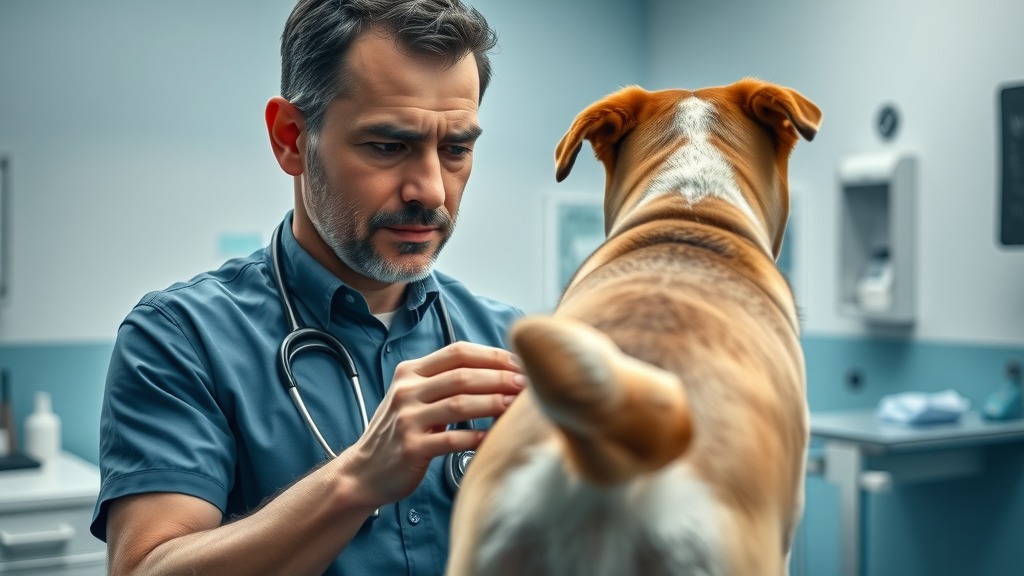
Veterinarian examining a dog’s rear for anal gland and parasite health, expert diagnostic care.

Intestinal parasites can trigger that unmistakable dog scooting butt behavior. Worms such as tapeworms, roundworms, or hookworms are notorious for causing irritation around the anus—their eggs or segments may actually appear in your dog’s stool or cling to fur near their rear ends. Dogs infected with parasites often start scooting as a way to relieve the itching and crawling sensation these creatures cause.

Other signs of an intestinal parasite infestation include unexplained weight loss, diarrhea, changes in appetite, scooting, and visible worms in stool or around the anal area. Puppies and newly adopted dogs are especially at risk. Regular deworming and annual fecal checks are key to preventing parasite-related scooting in dogs. If your dog shows more than one symptom or if you see anything unusual in their stool, consult your vet quickly.

Food Allergies and Irritated Rear Ends: A Less Obvious Cause of Why Does My Dog Scoot Its Rear

  • How allergies trigger skin irritation and inflammation
  • Identifying food-related triggers in your dog's diet

Food allergies are a less obvious reason why your dog may be scooting its rear, but they’re not uncommon. When a dog is allergic to an ingredient in its food, it can develop chronic inflammation and irritation, not just on the paws and ears, but around the anal area too. This skin irritation can make your dog drag its behind for relief, especially if the irritation progresses to a rash or secondary infection.

If you notice other signs of allergies, such as frequent scratching, biting, redness, or ear infections, food could be to blame. Dairy, beef, chicken, and grains are typical offenders. Consider an elimination diet or talk to your veterinarian about hypoallergenic food trials. Fixing the underlying allergy often resolves both the skin issues and the butt scooting behavior.

Dog Scooting Butt: When Is It an Emergency?

"If your dog's scooting becomes frequent or severe, prompt veterinary attention is essential to prevent complications in the anal glands or rear end."
  • Red flags: blood, swelling, or persistent licking
  • Situations where home remedies for scooting butt are not enough

Not every dog scoot is a 911 moment, but certain signs mean you shouldn’t wait. If you see blood, swelling, obvious pain, or your pet is obsessively licking their rear end, this points to possible abscesses, deep infections, or even tumors. Extreme dog scooting butt warrants immediate veterinary attention, especially if your dog receives no relief from at-home care. Catching problems early stops them from becoming much more serious issues.

If your dog’s scooting is gentle and infrequent, you can monitor at home. But if it ramps up in frequency or intensity, or your dog’s overall mood or appetite changes, it’s time to see your vet ASAP. Trust your instincts and always err on the side of caution with severe or persistent gland problems .

Effective Remedies: How to Help When You Wonder, 'Why Does My Dog Scoot Its Rear?'

Steps to Relieve Anal Gland Issues Causing Dog Scooting

  • Proper expression of anal glands: at home vs. by a professional
  • Dietary adjustments for promoting healthy anal gland function
  • Treating secondary infections or inflammations

Anal gland expression is the most direct remedy when gland issues cause dog scooting butt . For minor impaction, some experienced pet owners can express the anal glands at home, but for safety and cleanliness, it’s best done by a groomer or veterinarian—especially if infection is suspected. Never attempt expression if you’re unsure or if there are signs of infection or blood.

Diet can make a big difference: Switching to high-fiber dog food or adding fiber supplements can help produce firmer stools, improving the natural function of your dog’s anal sacs . This helps empty the glands naturally during a bowel movement and reduces future butt scooting issues. Always check with your vet before making big diet changes, and ask about topical or oral treatments if infections are present.
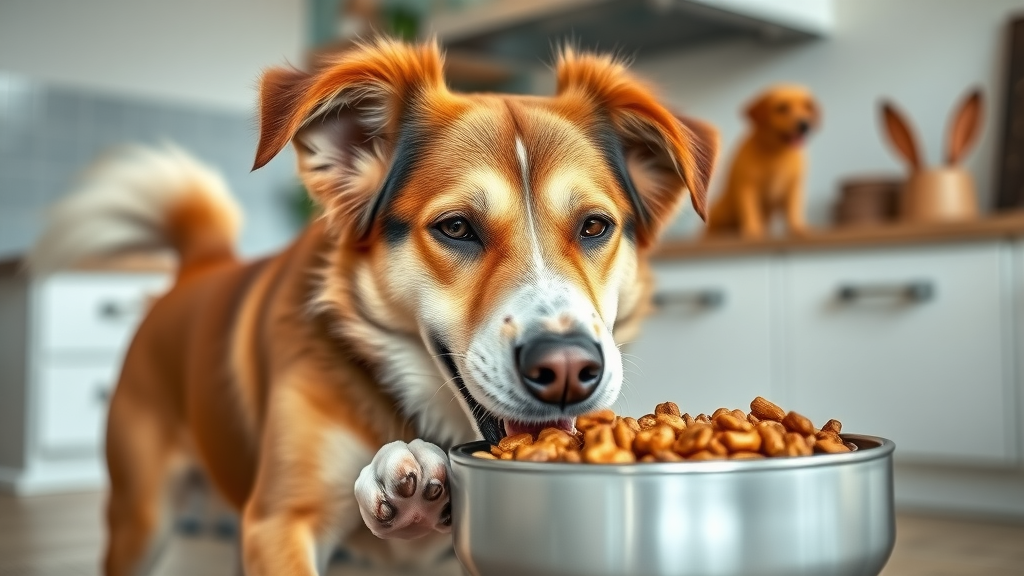
Happy dog eating healthy food to support anal gland and rear end health.

Managing Parasites and Allergies Linked to Dog Scooting Butt

  • Deworming protocols and parasite prevention
  • Elimination diets and hypoallergenic dog foods

If intestinal parasites are to blame, your vet will prescribe a dewormer specifically targeted to the type of worm present. Keeping your dog on a regular deworming schedule and cleaning up waste quickly help break the cycle of reinfection. For multi-dog households, treat all pets and sterilize the environment.

Food allergies take more patience to resolve. A strict elimination diet—removing common triggers and gradually introducing new foods—can reveal what’s causing your dog’s discomfort. Once the offending ingredient is found, switching to a hypoallergenic or limited-ingredient food often stops the butt scooting for good. Consistent vet follow-up ensures you’re on the right path.

Preventative Strategies: Ensure Your Dog's Rear End Health and Minimize Dog Scoot Outbreaks

Routine Anal Gland Care and Checks

  • How often should you check anal sacs in dogs?
  • Professional grooming tips to keep the rear end clean

Routine checks of your dog's anal sacs should be part of your grooming schedule, especially if your pet has a history of anal gland issues or frequent butt scooting. Small breeds and dogs with “problematic rear ends” may need checks every 4-6 weeks, while others are fine with less frequent exams. A professional groomer can help keep this area clean and free of mats or foreign debris that could irritate the skin.

Trimming excess hair around the anal area and using gentle, pet-safe wipes can prevent future bouts of scooting behavior . Cleanliness makes it less likely your dog will start scooting due to dirt, debris, or leftover feces causing discomfort around the anus.
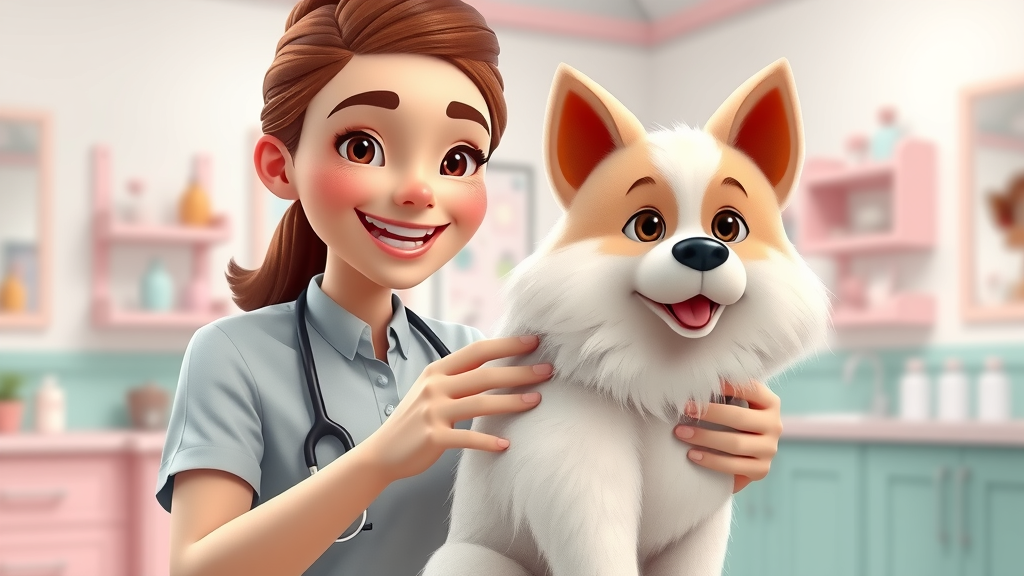
Professional groomer keeping dog rear end clean to prevent anal sac issues and scooting.

Home Environment Changes to Reduce Scooting Butt Behavior

  • Floor cleaning to prevent irritation
  • Appropriate bedding/materials for sensitive pets
"Simple changes at home often make a difference in reducing the causes behind why your dog scoots its rear."

Sometimes, changes in your dog’s home environment can reduce butt scooting. Keeping floors clean, free of irritating chemicals, dust, or pollen will minimize rear-end skin irritation, especially for sensitive pets prone to allergies. Provide soft, clean bedding and avoid rough fabrics that might chafe your dog's hindquarters.

Regularly inspecting the places where your dog likes to rest or drag themselves helps you spot problems before they get worse. Prevention is easier than treatment—but always be alert for signs of ongoing discomfort or abnormal scooting.

Should I Be Worried If My Dog Is Scooting?

  • Establishing when dog scooting is a benign behavior vs. health warning sign

While occasional dog scooting after a particularly dirty bowel movement or mild itch is usually harmless, frequent, persistent, or severe scooting butt should prompt further investigation. If the behavior disappears quickly and your pet’s comfort returns, you can relax. But if dog scooting becomes routine, talk to your vet—it could be your dog's way of begging for help with a real rear end health problem.

Why Does a Dog Drag Its Rear End?

  • Comparing normal vs. abnormal rear end dragging in dogs
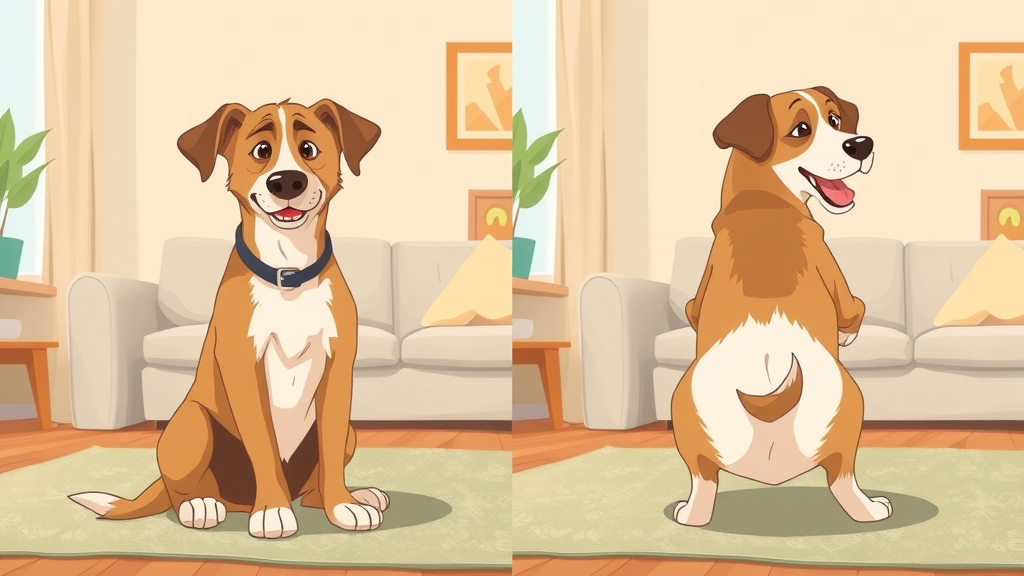
Comparison side-by-side: normal dog sitting and dog dragging rear to show difference in healthy and abnormal scooting butt.

Dogs drag their rear ends for a variety of reasons—sometimes it's just an itch, but abnormal, repetitive dragging is almost always a sign something’s wrong in their anal area . If your dog only does it after defecating or once in a great while, it’s likely nothing to worry about. But repeated or frantic butt scooting points to discomfort: gland issues , skin infections, parasites, or allergies are all possible explanations.

Why Does My Dog Scoot Her Bum Across the Floor?

  • Which factors prompt female dogs to scoot their rear in particular

Female dogs may scoot their rears due to all the causes discussed—impacted anal glands , worms, or allergies. However, female anatomy sometimes means a stronger tendency to develop urinary tract infections or vaginal irritation as well, which can make scooting seem more frequent. If your female dog shows additional symptoms, like frequent urination or vaginal discharge, have your vet check for multiple issues.

What Is the Cure for Scooting in a Dog?

  • Effective treatment options for dog scooting butt

The cure for dog scooting depends on the root cause. For anal sac issues , a vet or professional groomer should perform gland expression and treat any infections. Dewormers resolve parasite infestations, while food trials and vet-guided dietary changes help with allergies. Often, a combination of improved anal gland care , regular grooming, and consistent prevention (like high-fiber diets and regular deworming) ends the cycle of scooting butt .

Frequently Asked Questions about Why Does My Dog Scoot Its Rear

  • Is butt scooting always a sign of anal gland issues?
    Not always—though anal gland problems are common, dogs may scoot due to allergies, parasites, or debris stuck to the fur. Check for other symptoms and consult your vet if you’re unsure.
  • How often should anal glands be checked in dogs that frequently scoot?
    For dogs with a history of frequent butt scooting, check or have glands expressed every 4-6 weeks, or whenever symptoms return.
  • Are some breeds more prone to dog scooting butt than others?
    Yes. Small breeds like Chihuahuas, Shih Tzus, and toy poodles are more likely to develop gland problems and need regular care.
  • Can diet alone prevent dog scooting?
    A high-fiber diet helps maintain healthy bowel movements, which in turn helps prevent anal sac issues . However, genetics, allergies, and environmental factors also play a role.

Quick Reference Table: Why Does My Dog Scoot Its Rear—Causes and Solutions

Common Causes of Dog Scooting and Their Solutions
Cause Key Symptoms What To Do
Impacted Anal Sacs Scooting, swelling, odor Vet/groomer gland expression, high-fiber diet
Intestinal Parasites Scooting, worms, diarrhea Deworming medication, regular fecal checks
Allergies Itching, redness, scooting Diet trial, antihistamines, medicated baths
Foreign Matter Visible debris, biting, scooting Clean/groom rear regularly

Expert Insights: Quotes from Veterinarians on Why Dogs Scoot Their Rear Ends

"Routine rear end examinations help catch problems early and may prevent chronic dog scooting butt." - Dr. Jane Barker, DVM
  • Visual guide to identifying and managing scooting butt behavior
  • Veterinarian demonstrates safe expression of anal glands at home

Key Takeaways for Pet Owners Addressing 'Why Does My Dog Scoot Its Rear?'

  • Recognize when dog scooting is a symptom of deeper problems
  • Early detection and treatment are crucial for your dog's rear end health
  • Prevention strategies minimize the risk of dog scooting butt
  • Veterinarian guidance ensures the best outcomes for scooting butt issues

Ensure Your Dog’s Comfort—Consult Your Veterinarian for Persistent Rear End Scooting Issues

If your dog’s scooting becomes frequent, severe, or is accompanied by other worrying symptoms, contact your veterinarian for a thorough exam and lasting comfort solutions.

Understanding why your dog scoots its rear is essential for maintaining their health and comfort. The article “Why Is My Dog Scooting?: Reasons Why Your Dog May Be Scooting” from the American Kennel Club provides a comprehensive overview of potential causes, including anal gland issues, parasites, and allergies. ( akc.org ) Additionally, “Dog Scooting | PetMD” offers insights into symptoms and treatments associated with this behavior. ( petmd.com ) Exploring these resources will equip you with the knowledge to address and prevent your dog’s scooting effectively.

Behavior

46 Views

0 Comments

Write A Comment

*
*
Related Posts All Posts
01.17.2026

Expert Strategies to Tackle Common Dog Behavioral Problems Happily

Update Understanding Your Dog's Behavior: A Key to Harmony Owning a dog is often accompanied by immense joy and companionship. Yet, these furry friends can sometimes display behaviors that leave us scratching our heads or feeling frustrated. Whether it's excessive barking, jumping on guests, or chewing things up that shouldn't be, understanding these behaviors is the first step towards harmonious living with our pets. Dogs, just like humans, need guidance, structure, and love—and it’s our responsibility as owners to equip them with the right tools to thrive. Why Do Dogs Exhibit Unwanted Behaviors? The reasons behind unwanted behaviors in dogs are often complex and rooted in their instincts. Factors including lack of exercise, boredom, anxiety, or insufficient training can contribute to these issues. For instance, a bored dog is prone to mischievous antics, while a dog lacking socialization may bark excessively to express fear. Recognizing these triggers allows owners to tailor solutions effectively. Training: The Foundation of Good Behavior Implementing effective training techniques is crucial for shaping a dog’s behavior. Positive reinforcement training not only fosters a joyful learning environment but also strengthens the bond between owner and dog. Simple commands like 'sit', 'stay', and 'come' can redirect energy and guide your dog away from negative behaviors. It’s helpful to introduce new commands gradually, focusing on consistency and patience. According to the American Kennel Club, training provides essential mental stimulation, which is key for behavior management. Physical and Mental Exercise: A Must-Have A tired dog is a happy dog! Regular physical exercise is crucial to help manage a dog’s energy levels. Dogs need a routine that includes a combination of walks, playtime, and mental challenges like obedience training or puzzle toys. Tailoring an exercise plan that suits your dog's age and breed will prevent boredom and reduce the likelihood of undesirable behaviors. Preventing Bad Habits Before They Start It is often easier to prevent bad behaviors than to correct them once they develop. Puppy-proofing your home involves removing tempting objects like shoes and other items that might be chewed on. Additionally, keeping a close eye on puppies and redirecting their focus whenever they start to engage in an undesired behavior can go a long way in ensuring they grow up without bad habits. The Power of Consistency Consistency is the heartbeat of effective training. Establishing clear rules and ensuring everyone in the household follows them helps foster a secure environment for your dog. For instance, if one person allows the dog to steal food from the table while another reprimands the behavior, it creates confusion. Keeping training standards and house rules uniform is essential for the dog to understand what is expected. Tips to Address Common Behaviors Here are a few strategies to help manage frequent behavioral issues in dogs: Jumping: Greet your dog calmly; if they jump, turn away. This teaches them that jumping does not yield attention. Chewing: Provide ample chew toys and remove items that could be chewed. Engaging them in play can redirect this natural behavior. Excessive Barking: Teach a command like 'quiet' and reinforce it with praise when they comply. Check for underlying boredom or anxiety issues. Pulling on the Leash: Walk your dog with a slack leash and reward them for staying close. If they pull, stop walking until they come back to you. Building a Lasting Bond Training and managing behaviors in dogs doesn't end after a few sessions. It requires continuous engagement, love, and adaptation as your dog grows. Attending group training sessions or working with professional trainers can provide both you and your dog with additional socialization experiences, which are invaluable for their development. With patience and a few expert tips under your belt, you can create a happy household where bad behaviors fade into distant memories. Your Journey Starts Today! Begin your journey towards a better relationship with your furry friend today! Take the learned tips and implement them with patience and love for lasting results. Each small step you take can lead to monumental changes in your dog’s behavior.

10.23.2025

How to Prepare Your Dog for a Baby: Ensuring Safety and Harmony

Update Understanding the New Family Dynamics Bringing home a newborn is an exciting yet challenging experience, especially for dog owners. Pets are often regarded as part of the family, but the arrival of a baby can shake up their established routine, leading to stress for both the pet and new parents. Preparing your dog to welcome a new baby into your home is crucial for fostering a harmonious family environment. Preparing Your Dog: A Proactive Approach To ensure a smooth transition, start by planning ahead. Experts recommend beginning your dog's training at least four months before the baby arrives. This timeline allows for gradual behavioral modifications to be established. Focus on essential obedience commands such as sit, stay, and down, as these can serve as effective tools for managing your dog's behavior around the newborn. Additionally, consider introducing your dog to baby-related sounds and scents to help acclimate them gradually. You might begin by playing recordings of baby noises at a low volume and rewarding your dog with treats each time they respond positively. This can help your pet develop a sense of comfort with the sounds of a crying infant. Creating Safe Spaces Establishing boundaries in your home is another significant aspect of preparation. Creating dog-free zones, like the nursery, can provide the baby a secure space. Utilize baby gates to help your dog adjust to these changes in their environment over time. Also, setting up designated areas where your dog can retreat when feeling overwhelmed will give them a sense of security amidst the changes. The Importance of Controlled Introductions When it comes time for your dog and newborn to meet for the first time, ensure that the introduction is controlled and safe. Keep your dog on a leash and maintain a significant distance from the baby, ideally three feet. This distance allows your dog to observe and sniff the baby while preventing direct contact until they are comfortable. Provide continuous treats during this initial meeting to create positive associations and keep sessions brief to avoid overstimulation. Recognizing and Responding to Stress Signals During initial introductions, keep a close watch on your dog's body language. Signs of stress, like raised hackles or intense staring, require immediate intervention. Research indicates that understanding canine body language is pivotal in preventing incidents. If your dog exhibits signs of discomfort or anxiety, it's essential to remove them from the situation and try again later when they seem calmer. Maintaining Stability Post-Baby Arrival Once the baby is home, try to maintain your pet’s routine as much as possible. Changes in their schedule can lead to confusion and stress, potentially resulting in behavioral problems. Try to set aside time for your dog daily, involving them in your new lifestyle while ensuring all interactions with the baby are supervised. Coping with the Emotional Toll on New Parents While focusing on your dog's adjustment, it's easy to overlook the emotional toll this transition may take on new parents. Feelings of guilt, premature concerns about the pet's behavior, and the overwhelming responsibility can induce anxiety. It is important for new parents to seek support, whether from family, friends, or even professional trainers to navigate this challenging time. Conclusion: Embrace Change and Build a Loving Environment Preparing a dog for a baby's arrival is not just about ensuring the child's safety but also about maintaining a loving environment for everyone involved. With careful planning and gradual introductions, families can foster a successful bond between their furry friends and their new baby. Every parent wants their child to grow up safe and happy, and this includes ensuring that pets feel loved and integrated into the family dynamic. So let's start planning early and embrace the joys and challenges of our expanding families!

10.12.2025

Why Do Dogs Wag Their Tails? The Surprising Truth

Hook: Have you ever wondered if your dog’s wagging tail is simply a sign of joy—or could it reveal something deeper about their feelings and thoughts? If you’ve ever watched a dog wag their tail and felt curious about what’s really going on, you’re not alone. Let’s uncover the surprising truth behind this iconic canine gesture and learn how paying close attention can help you truly understand your best friend!Curious Canine Communication: Why Do Dogs Wag Their Tails?The question of why do dogs wag their tails may seem simple, but the answer is more complex than many realize. Dogs wag their tails for a variety of reasons, not just happiness. Each wag, direction, speed, and position tells a story about what your dog is feeling or trying to say. Research shows that dogs wag their tails as an intricate form of canine body language, giving clues about their emotional state, intentions, and even their social relationships with other dogs and humans.Interpreting tail wagging is crucial for understanding your dog's well-being. Not every wag means joy—in fact, tail wagging can signal excitement, nervousness, curiosity, or even a warning. Learning to read your dog’s tail-wagging behavior can help you respond appropriately, strengthening your bond and preventing misunderstandings. In this article, we'll dive deep into scientific explanations, expert insights, and practical tips so you can truly decode your dog’s tail language.What You’ll Learn in This Guide About Why Dogs Wag Their Tails:The basics of dog tail anatomy and movementThe science and social signals behind tail waggingHow to tell the difference between happy, anxious, or curious tail wagsWhat tail-wag direction meansBreed differences and communication for dogs with docked tailsHow your interactions influence your dog's waggingFrequently asked questions and expert quotesUnderstanding Tail Wagging: The Basics of Dog BehaviorDefining Wag Their Tails: What Exactly Is Tail Wagging?When you see a dog wag their tail, you’re witnessing a blend of physical movement and emotional communication. Tail wagging is the rhythmic movement of the dog tail, typically side to side, that varies in speed, range, and intensity. Unlike a casual twitch or flick, a true wag involves the entire tail base and is often paired with relaxed or animated body language and sometimes a happy dog expression. But what prompts dogs to wag their tails, and is it always a deliberate action? Dogs exhibit this behavior primarily as a visual signal, especially in social settings.The movement of the tail often reflects what a dog is feeling—be it excitement, curiosity, caution, or contentment. Studies have shown that the tip of the tail, wag speed, and direction all carry unique cues. While some tail wags signal friendly intent or excitement, others might indicate uncertainty or heightened alertness. By noticing these differences, you can get a clearer sense of your dog's mood. Remember, tail wagging is only part of a broader body language system, including ear position, facial expression, and posture.The Anatomy Behind a Dog’s Tail WagA dog’s tail is a remarkable extension of their spine, comprised of small bones, flexible joints, and powerful muscles controlled by their nervous system. The anatomical structure allows a unique spectrum of tail movement—quick wags, slow sweeps, even tightly-held curves. The tail is richly supplied with nerves that not only enable movement, but also help dogs communicate mood or physical state through tail position and wagging style.Interestingly, the base of the canine tail is particularly sensitive; it’s where most communication signals come from. Dogs can adjust the height, curve, and intensity of their wags depending on how they feel. For example, a high, fast wag can mean excitement or alertness, while a low, gentle wag typically shows submission or calm. Understanding how the tail works physically helps us know why dogs wag their tails in so many unique ways, making “dog wagging” a truly expressive language.Table: Types of Tail Wagging and Their Potential MeaningsType of WagDescriptionPossible MeaningWide, fast wag (mid or high)Tail swings broadly side to side, sometimes with full-body movementExcitement, happiness, greeting favorite human or dogSlow, low wagTail moves gently or barely above the hocks, sometimes stiffUncertainty, caution, evaluating situation or strangerShort, quick wagsSmall, rapid movements—tail may be held higher or tightlyAlertness, possible agitation, preparing to reactHelicopter wagTail rotates in full circles—often seen in super-excited dogsExtreme happiness, reunion behaviorLeft-biased vs. right-biased wagTail moves more to one side of midlinePotential friendliness (right) or uncertainty/warning (left) based on scientific studiesFor a deeper dive into the nuances of canine tail language and what each type of wag might mean in different situations, you can explore the full guide at Why Do Dogs Wag Their Tails? Discover the Surprising Truth. This resource breaks down the science and social cues behind tail wagging, offering even more practical examples for dog owners.Why Do Dogs Wag Their Tails? Scientific ExplanationsCommunication Signals in Tail WaggingThe most compelling scientific answer to why do dogs wag their tails centers on communication. Dogs wag their tails to send signals—both to other dogs and to people—indicating their emotional state, social intent, or readiness to interact. According to research in veterinary medicine, tail wagging is a complex social signal that dogs develop as puppies and refine as they grow. The type of wag, position of the tail, and associated body language all work together as a “dog language.” A study found that dogs even recognize and react differently to the tail wags of other dogs!Tail wagging can be viewed as a sort of “visual voice” through which dogs show positive emotions (like happiness), respond to new environments, or display caution and anxiety. The movement of the dog tail is just as important as vocalizations or facial expressions. When dogs wag their tails upon seeing a familiar human, they may be expressing affection, excitement, or anticipation. In social settings, tail-wagging behaviour helps dogs negotiate play, avoid conflict, or solidify pack relationships. Decoding these subtle cues is a skill every dog owner should have.Expert insight: Veterinarian Dr. Lisa Brent notes, “Tail wagging is one of the most underestimated social signals in dog communication. Dogs exhibit an incredible range of emotion, and tail movements can tell you a lot about their comfort, excitement, or stress—even before you notice any vocalizations or body movements.”Differentiating Between Happy and Anxious Wagging BehaviourNot all tail wagging is the same—even if the movement looks similar at first glance. Happy dog tail wags are typically loose, energetic, and often involve a relaxed body and an open mouth or “smile.” In contrast, anxious or nervous wags can appear stiff, low, or paired with other signs of stress like tucked ears or lip licking. Understanding the difference between a “happy wag” and an “anxious wag” is vital to reading your dog’s emotional state and responding appropriately.A study found that dogs wagged their tail more freely—often to the right—when interacting with people or dogs they liked. On the flip side, dogs showed left-biased, shorter, or stiffer wags when experiencing uncertainty or when confronted by something unfamiliar or intimidating. So, next time you see a wagging tail, pay attention to the context, tail position, and the dog’s overall body language. This holistic view will help you decode your dog’s feelings far better than watching the tail alone.Common Reasons Dogs Wag Their TailsGreeting their humans and fellow dogsResponding to emotional triggers—happy, fearful, or excitedExpressing curiosity or social uncertaintyNegotiating play or signaling surrenderCommunicating alertness or warning in new environmentsGreeting Their Humans and Other DogsHave you ever noticed your dog wagging their tail the moment they see you coming home? For most dogs, greeting their favorite humans or furry friends is a top reason for tail wagging. These greeting wags are big, loose, and filled with excitement. Dogs wag their tails energetically in the company of people or animals they love, often with their whole body in motion and a shining facial expression—almost reminiscent of a human smile. This type of wag usually indicates a happy dog who’s thrilled to reconnect, whether after five minutes or a few hours apart.Greeting wags aren’t just for humans. Dogs wag their tails when they meet fellow canines, too—helping to show friendly intent and reduce tension during first encounters. Recognizing this welcoming signal is key to facilitating positive dog-dog introductions or assessing how your pet feels about visitors. As you become more attuned to this type of wagging behaviour, you’ll notice that dogs often accompany their greetings with vocalizations, bouncy steps, or playful bows. It’s pure “I missed you!” in body language form.Responding to Emotional Triggers: Happy, Fearful, or Excited?Dogs also wag their tails in direct response to emotional triggers—whether joy, fear, excitement, or even frustration. The style and energy of the tail wag shifts based on what the dog is feeling at that moment. Happy wags tend to be broad and relaxed, whereas fearful or nervous wags look smaller, faster, or occur while the tail is held low. Dogs exhibit wagging behaviour when something grabs their focus, like a favorite toy or an unusual sound, enabling them to express emotions when words fail.Tail wags associated with excitement are often accompanied by perked-up ears, dancing paws, and sparkling eyes. In contrast, wags prompted by fear or anxiety might appear hesitant or be paired with avoidance behaviors. Sometimes, dogs use a single wag or “flag” of the tail to show mixed feelings—meaning both positive and negative emotions can trigger this action. Being able to differentiate between these types based on tail position and movement will help you understand and support your dog’s emotional state more effectively.Expressing Curiosity or UncertaintyCuriosity is another key reason why dogs wag their tails. When a dog encounters something new—a scent on a walk, a visitor, or an unusual object—their tail may wag tentatively or slowly. This “curious wag” often comes with focused, alert eyes and a slightly forward-leaning posture. Dogs use their tails in combination with other body language to communicate curiosity and decide how to proceed with the new stimulus.A slow, subtle wag, sometimes accompanied by a tilted head, is a classic sign that your dog is processing information or unsure about their next move. Unlike high-energy wags that scream “Let’s play!”, these reserved wags encourage you to pay attention to the rest of the dog’s signals—such as ear orientation or tail held—before deciding how to respond. Remember, uncertainty wags don’t indicate negative emotions; they simply reveal a careful, inquisitive dog who’s gathering more data before acting.Tail Wag Direction and Side Bias: What Science RevealsLeft vs. Right: The Importance of Wag DirectionOne of the fascinating discoveries in dog behavior science is the concept of “side bias”—the preference for wagging the tail more to the left or the right. Studies have demonstrated that the direction of tail wags can reveal a dog’s emotional state. Dogs wag their tail more to the right when experiencing positive emotions, like happiness or relaxation, especially when greeting their humans. In contrast, a left-biased wag often signals caution or stress, such as approaching an unfamiliar person, animal, or situation.The reason? It all comes down to the dog’s brain. The right side of the brain controls the left side of the body (and vice versa)—so a tail wag that favors the right indicates a more positive, approach-oriented emotion, while a left wag can signal withdrawal or discomfort. By observing which way a dog wagged their tail, researchers can often predict the dog’s comfort or stress level. While not all dogs show strong side bias, it’s a remarkable glimpse into how tail wags mirror canine emotions.Behavioral scientist: “The subtle direction of a tail wag tells us more than we ever realized about a dog’s current emotional state. Paying attention to side bias can give owners early signs of happiness or anxiety, well before other behaviors appear.”How Side Bias Impacts Canine Social InteractionsSo why does side bias matter in daily dog interactions? Observing the direction of tail wagging enables dogs—and us—to predict if an encounter will be smooth, tense, or neutral. A dog wagging its tail to the right signals openness and sociability, making it more likely to approach or play. Conversely, a left-biased wag might encourage caution or even deter another dog from coming too close. This silent yet visible cue shapes social experiences at the park, during playdates, or when greeting new guests.Dog trainers and veterinary medicine specialists recommend that humans observe not just the presence of tail wagging, but its direction, speed, height, and pairing with other body language. Doing so deepens the understanding of the dog’s emotional state and helps manage group settings or stressful introductions. Future studies on canine body language will likely uncover even more about how dogs use side bias to maintain harmony and avoid conflict in their everyday lives.Do All Dogs Wag Their Tails the Same Way? Breed DifferencesTail Wagging Variations Across Dog BreedsEvery dog is unique, and so is their tail! Different breeds have distinct tail shapes, lengths, and natural positions, all of which influence tail wagging style. Some dogs have long, flowing tails that carve wide arcs, while others sport short or curled tails that wag in tight circles or shakes. For instance, labs and retrievers are famous for their sweeping, “otter tail” wags, while huskies’ plumed tails may wag above their backs, and basenjis’ tightly curled tails barely seem to wag at all.Breed can affect the ease with which you spot tail movement and recognize subtle shifts in wagging behaviour. Some dogs exhibit reserved or subtle tail movements due to tail structure or fur density. Others, such as shibas or akitas, use their tails along with other body signals to communicate intent. If you share your home with a tiny terrier, a large mastiff, or anything in between, learning your specific dog’s “tail language” is key to building trust and understanding. Always consider breed-specific quirks as you interpret wagging cues.Dogs With Docked Tails: How Do They Communicate?Dogs with docked or naturally short tails—such as boxers, corgis, or some terriers—still communicate, but often rely on other body language cues. The lack of a long tail doesn’t stop these dogs from expressing excitement, nervousness, or greeting behavior. In fact, you’ll often see docked-tail dogs wagging their entire rump, shifting their weight, or exaggerating ear and facial expressions to make their feelings known.These dogs adapt—using what they have to continue effective communication. Owners of docked-tail dogs should pay extra attention to the dog’s eyes, posture, and subtle shifts in tail position for clues about their emotional state. Thankfully, dogs are excellent at “speaking” in many ways, and with close observation, you’ll learn when a stubby wag or an all-over wiggly body means your boxer's in high spirits (or feeling uncertain!).Human Interaction: Why Do Dogs Wag Their Tails When You Look at Them?Understanding the Human-Canine Bond Through Tail WagMany dog owners ask: Why do dogs wag their tails when you look at them? The answer ties into the deep bond that has developed over thousands of years between humans and dogs. When a dog wags its tail at direct eye contact, it is often a sign of happiness, anticipation, or a request for attention. Dogs show excitement and affection for their favorite people in this way, creating an emotional “loop” that strengthens the relationship. In fact, scientists have shown that tail wagging, like a human smile, builds positive connections and reinforces social bonds.Dogs are highly attuned to their owners’ cues. Even a gentle gaze, a familiar voice, or an encouraging gesture can set a dog’s tail wagging. This shows not only how dogs communicate with us, but how they read our emotions in return. If your dog wags its tail when you look at them, respond with kindness and affection—your attention is often exactly what they want!Body Language Beyond Tail WaggingWhile tail wagging is an essential part of canine communication, don’t forget the rest of the dog’s body language. Dogs use ears, eyes, mouths, posture, and vocalizations in concert with their tail to send messages. For example, a dog with a wagging tail but raised hackles or tense body may actually be feeling conflicted or anxious. Learning to read these signals holistically helps prevent misinterpretation—ensuring you can detect subtle mood changes, stress, or comfort.Dog trainers encourage owners to observe the whole picture: a droopy tail and pinned ears could spell fear or submission, while a high tail and upright body might mean confidence. The key takeaway: the wagging tail is just one “word” in your dog’s emotional vocabulary. With patience and practice, you’ll become fluent in “dog language”—helping your pup feel truly understood.People Also Ask: Why Do Dogs Wag Their Tails?Is a dog happy when it wags its tail?Dogs often wag their tails when they’re happy—but a wagging tail doesn’t always mean joy. A happy dog typically wags with broad, loose sweeps and a wiggly body, especially when reunited with a loved one or preparing to play. However, dogs also wag their tails when anxious, uncertain, or alert. To truly understand your dog’s mood, pay attention to the whole body: relaxed muscles and an open mouth suggest happiness, while stiffness, lip licking, or a low, slow wag may indicate mixed emotions or stress.Do dogs control their wags?Yes, dogs have voluntary muscle control over tail wagging, but certain wags may occur as automatic reactions. For example, seeing a beloved person or an exciting toy can trigger an instant happy wag, even before the dog is fully aware of it. On the other hand, dogs can also wag their tails deliberately—as a signal to other dogs or to communicate intent. Not all wagging behaviour is fully conscious, but dogs do have significant control over their tail movement, especially as they mature.Do dogs control their tail wagging?Dogs generally have conscious control over their tail wagging, depending on the situation and their emotional state. When calm and content, dogs may wag their tails intentionally to communicate. Strong emotions like excitement or fear can also trigger involuntary wags or stiff tail movements. Young puppies might wag impulsively, but as dogs grow, they learn to tailor their wags as social signals, adjusting intensity, speed, and direction based on context and company.Why do dogs wag their tail when you look at them?Dogs wag their tails when you look at them as a response to positive emotions, recognition, or anticipation of interaction. Direct eye contact with a familiar person elicits an affectionate response: your dog feels acknowledged and often wants to initiate play, cuddling, or conversation. This tail wag is your dog's way of saying, “I see you and I’m happy you’re here!” The behavior deepens your human-canine relationship, creating joy for both you and your pet.FAQs: Tail Wagging, Dogs Wag Behavior, and MoreHow can I tell what my dog's tail wag means?Observe the speed, height, and direction of the wag, as well as the rest of your dog’s body language. A high, loose wag with a relaxed posture and happy facial expression usually signals excitement or friendliness. A low, slow wag accompanied by tense muscles can indicate caution or uncertainty. Learn your dog’s personal patterns, as each dog’s emotional vocabulary is unique.Can a dog's tail wagging indicate health issues?Unusual tail wagging—like persistent low wags, limp tail, or visible discomfort—may signal health problems such as injury, nerve issues, or pain. If your dog’s tail movement changes suddenly, seems stiff, or causes your pet distress, consult a veterinarian to rule out any underlying medical conditions.Do puppies wag their tails differently from adult dogs?Yes, puppies often wag their tails more enthusiastically and may be less precise with their movements. As puppies mature, they gain better muscle control and learn to tailor their tail wagging behaviour to specific social situations, mirroring the canine communication style seen in adult dogs.Is tail wagging common in wild canines like wolves or foxes?Tail wagging as a social communication tool is seen in many wild canines—including wolves and foxes. However, domestic dogs tend to use tail wagging more frequently and in a broader range of social interactions, thanks to their close relationship with humans and other dogs.Key Takeaways: What Every Dog Owner Should Know About Why Dogs Wag Their TailsNot every tail wag means your dog is happy—context matters!Observe the speed, direction, and height of the wag for clues to your dog’s feelings.Breed, tail length, and past experiences shape every dog’s unique communication style.Wagging behavior helps dogs interact, express emotion, and avoid conflict.Combine tail movement with whole-body language to best understand your pet.Wrapping Up: The Complexity Behind Why Dogs Wag Their TailsFinal Thoughts on Understanding Tail Wagging and Dog EmotionsInterpreting why dogs wag their tails deepens your connection, supporting happier, healthier relationships and ensuring your dog always knows they’re understood and loved.If you’re eager to expand your understanding of canine communication and want to become even more attuned to your dog’s needs, consider exploring additional resources on the science of dog behavior. By delving into advanced guides and expert-backed articles, you’ll gain a holistic perspective on how dogs express themselves—not just through tail wagging, but through every aspect of their body language and daily interactions. The journey to becoming a truly insightful dog owner is ongoing, and each new insight helps you nurture a deeper, more rewarding bond with your furry companion. For a comprehensive look at the surprising truths behind tail wagging and beyond, visit this in-depth article on why dogs wag their tails and continue your learning adventure.Want more tips, stories, and pet care guides delivered straight to your inbox? Join our monthly PawPress newsletter and stay in the loop with the latest for your furry friends. 🐾 Subscribe now — your pets will thank you!Understanding the nuances of canine tail wagging can significantly enhance your relationship with your dog. For a comprehensive exploration of this behavior, consider reading “Why Do Dogs Wag Their Tails?” by Britannica, which delves into the communication, emotions, and evolutionary aspects of tail wagging. Additionally, “Why Do Dogs Wag Their Tail?” by Scientific American examines whether tail wagging is a side effect of domestication or a trait selected by humans. These resources provide valuable insights into the complexities of canine communication.

Terms of Service

Privacy Policy

Core Modal Title

Sorry, no results found

You Might Find These Articles Interesting

T
Please Check Your Email
We Will Be Following Up Shortly
*
*
*