

Did you know that up to 20% of dogs suffer from sensitive skin — leading to itchy skin, discomfort, and frequent vet visits? Healthy skin for your canine begins at bath time, and your choice of dog shampoo could make all the difference.
How to Choose What’s the Best Shampoo for Dogs with Sensitive Skin?
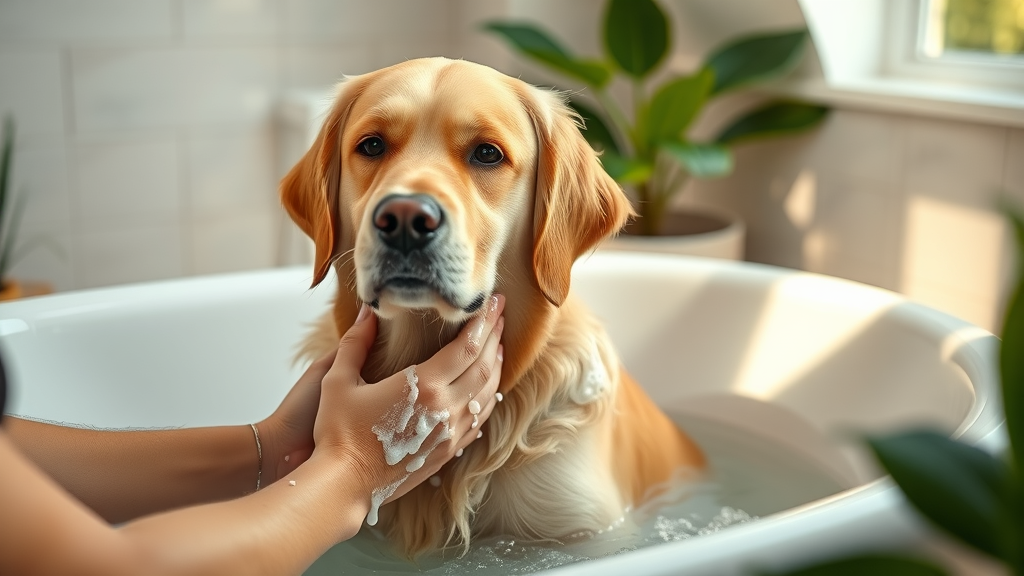
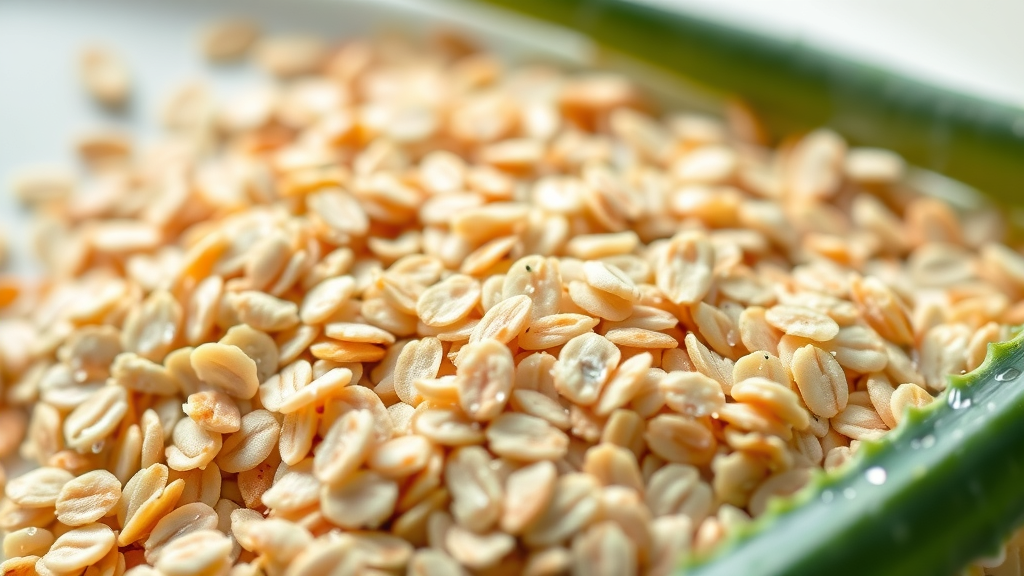
When searching for what’s the best shampoo for dogs with sensitive skin, you’re not just picking a bottle from the shelf—you're making a crucial choice for your best friend’s comfort. Most dogs with sensitive skin need gentle products to avoid flare-ups of itchy skin, skin irritation, or hot spots. The ingredients list is your first clue: stick to natural ingredients like colloidal oat and aloe vera or hypoallergenic formulas that reduce the risk of skin issues.
Medicated dog shampoos may be recommended for specific skin conditions or skin infections. However, for routine use, focus on shampoos that skip parabens, sulfates, and artificial fragrances. These harsh chemicals may strip away natural oils and damage your dog’s sensitive skin, leading to dry skin and discomfort. If your dog suffers from chronic itchy skin, consult your vet to narrow down medicated or specialized options that suit their needs.
Practical examples help illustrate the point—dogs with hot spots or visible skin irritation often respond dramatically to oatmeal and aloe-based dog shampoos, while more severe skin infections may need a medicated dog shampoo prescribed by your veterinarian. No matter the case, gentle formulas with skin barrier support are key for achieving healthy, lustrous fur and fewer vet trips.
Key Features in Dog Shampoos for Sensitive Skin
Importance of natural ingredients like colloidal oat and aloe vera : These components help soothe inflamed, irritated skin and promote healing.
Benefits of hypoallergenic shampoo for dogs : Such formulas reduce the risk of allergic reactions, making bath time stress-free for dogs prone to itchy skin or dry skin.
How medicated dog shampoo targets canine skin conditions : Medicated options are designed to treat skin infections, yeast, and other persistent issues, ideal for dogs with chronic skin problems.
Common Causes of Itchy Skin in Dogs and the Role of Sensitive Skin Dog Shampoo
Environmental allergens and skin infections can trigger itchy skin, causing your dog to scratch, lick, or chew excessively.
Underlying skin infections like bacterial or fungal invaders further damage sensitive skin and may require medicated dog shampoo for relief.
Dry skin not only causes discomfort but also dampens your dog’s coat shine, emphasizing the importance of gentle, hydrating ingredients.
Effective sensitive skin dog shampoos act as a first line of defense against these triggers, cleansing and calming the skin without stripping away natural oils. Colloidal oat and aloe vera remain go-to ingredients for soothing and protecting irritated skin.
Addressing the root of skin conditions early helps keep recurring skin infections and itchy skin at bay, making skincare an essential part of your dog's overall health routine.
Quick Table: Features to Compare When Selecting the Best Dog Shampoo
Brand |
Main Ingredient |
Suited for Itchy Skin |
Skin Condition Support |
Sensitive Skin Safe |
Medicated (Yes/No) |
Paraben-Free |
Price |
|---|---|---|---|---|---|---|---|
CalmPaws Oat & Aloe |
Colloidal Oat, Aloe Vera |
Yes |
Dry Skin, Hot Spots |
Yes |
No |
Yes |
$$ |
VetDerm Medicated Relief |
Chlorhexidine |
Yes |
Skin Infections |
Yes |
Yes |
Yes |
$$$ |
PureNature Gentle |
Coconut Oil, Oat |
Yes |
Dry Skin |
Yes |
No |
Yes |
$ |
TickSafe Natural |
Neem, Lemon Oil |
Yes |
Flea & Tick |
Yes |
No |
Yes |
$$ |
PuppyKind Hypoallergenic |
Oat, Chamomile |
Yes |
Mild Allergies |
Yes |
No |
Yes |
$$ |
10 Best Shampoos for Dogs with Sensitive Skin Ranked
1. Oatmeal and Aloe: Calming Colloidal Oat Dog Shampoo
Oatmeal and aloe dog shampoos are top picks for what’s the best shampoo for dogs with sensitive skin. Colloidal oat provides immediate relief for itchy skin and locks in moisture, while aloe vera calms inflammation and speeds healing. These gentle formulas avoid irritating chemicals and are safe for frequent bath time use, making your dog’s skin and coat feel silky and comfortable.
When choosing a dog shampoo for dry skin or frequent hot spots, this option helps restore skin barrier function. Look for transparent ingredient lists and certifications for hypoallergenic standards—the fewer the additives, the better for sensitive skin dogs.
Many pet owners report reduced scratching, shinier coats, and a marked decrease in recurring skin irritation after the first few washes with this soothing shampoo formula.
2. Medicated Dog Shampoo with Chlorhexidine for Skin Infection Control
Medicated dog shampoos with ingredients like chlorhexidine are a trusted solution for dogs battling chronic skin infections. These dog shampoos target fungal and bacterial issues directly, reducing hot spots, red patches, and itching associated with skin conditions.
This type of shampoo for dogs with sensitive skin is often recommended by veterinarians when over-the-counter options are not enough, particularly in cases of resistant or recurring skin infections. Chlorhexidine acts fast, while secondary soothing ingredients prevent further irritation and support the skin’s natural defenses.
Ideal for use after consulting your vet, these medicated dog shampoos help break the cycle of skin issues without being overly harsh. Always follow the recommended usage schedule and monitor your dog’s progress.
3. Hypoallergenic Dog Shampoo with Natural Ingredients for Sensitive Skin
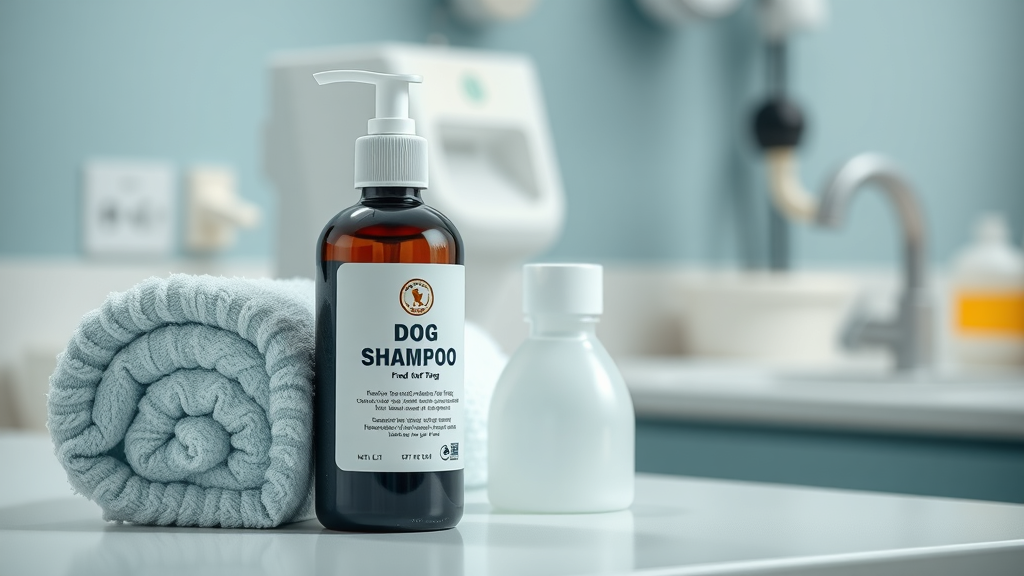
Hypoallergenic dog shampoos masterfully blend gentle surfactants with natural ingredients, avoiding the common irritants found in many pet store brands. These shampoos are formulated to reduce the risk of allergic reactions, making them essential for dogs with chronic sensitivity or a history of skin irritation.
Main ingredients like oatmeal, aloe vera, and chamomile efficiently cleanse while nourishing the skin and coat, minimizing disruptions to the skin barrier. Hypoallergenic shampoos provide peace of mind—especially for puppies and seniors where sensitive ski and skin infections are more common.
Choosing hypoallergenic formulas means fewer vet visits, less scratching, and a happier pet. They’re a smart investment in your dog’s lifelong skin health.
4. Flea and Tick Shampoo for Dogs with Sensitive Skin Concerns
Flea and tick shampoos crafted specifically for sensitive skin give your pet powerful pest protection without harsh side effects. These formulations skip common chemicals that can trigger skin irritation, instead incorporating botanical oils like neem or lemon for natural flea and tick repellence.
When evaluating a flea and tick shampoo, look for products with natural ingredients, labeled hypoallergenic, and designed to soothe as they protect. Use them as directed, ideally in combination with spot-on flea and tick treatments tailored for sensitive ski.
Regular use keeps hot spots, itchy skin, and recurring infections at bay—especially useful during peak flea and tick seasons.
5. Coconut Oil Infused Dog Shampoo for Dry Skin Relief
Coconut oil is a celebrated natural ingredient in dog shampoos for its hydrating and antibacterial properties, making it excellent for dogs with dry skin or frequent skin issues. Shampoos infused with coconut oil moisturize deeply, leaving your dog's coat soft and shiny while preventing further drying or flaking.
Coconut oil-based formulas are especially helpful after medicated treatments or in between vet visits, restoring comfort and health to the skin and coat.
The scent is mild and pleasant too, making bath time more enjoyable for both you and your furry companion.
6. Vet’s Recommended Dog Shampoo for Itchy Skin and Hot Spots
Veterinarian-recommended dog shampoos target the causes of itchy skin and hot spots with precision, often combining medicinal strength with conditioning natural elements. These products are rigorously tested to ensure safety for dogs with sensitive skin, making them a strong choice for pets with chronic skin conditions or prone to skin infections.
Common active ingredients include colloidal oat, chlorhexidine, or moisturizing oils; all proven to provide lasting relief and support a resilient skin barrier.
Always follow your vet’s advice regarding frequency of use, especially if your dog experiences persistent or unexplained skin irritation.
7. All-Natural Tick Shampoo Safe for Dogs with Sensitive Skin
For pet parents wary of harsh chemicals, all-natural tick shampoo provides an effective, gentle solution. These dog shampoos rely on plant-based ingredients to repel parasites while conditioning the fur and calming irritated skin.
They are formulated without synthetic preservatives or fragrances, making them a safe routine defense against both pests and flare-ups for dogs with sensitive skin.
Consistent use supports overall skin health, decreases the risk of skin irritation and ensures your dog can play outdoors without discomfort.

8. Medicated Shampoo for Managing Chronic Skin Conditions
For dogs with long-term or recurring skin conditions like dermatitis or fungal infections, a medicated shampoo prescribed by your veterinarian may be necessary. These medicated dog shampoos contain therapeutic agents that specifically address severe itchiness, red patches, and secondary infections.
They are best used as part of a holistic treatment plan from your vet, combining oral medications, dietary changes, and targeted bathing for maximum relief.
Careful monitoring is crucial—overuse can sometimes lead to dryness. But when used properly, these products can be transformational for dogs with stubborn skin issues or chronic irritation.
9. Puppy-Safe Sensitive Skin Dog Shampoos
Puppies’ delicate skin is prone to irritation, making gentle, puppy-specific dog shampoos vital. Look for formulas clearly labeled as safe for puppies, ideally with oatmeal, aloe vera, or chamomile as main ingredients. These cleansers are designed to be gentle on the eyes and nose, perfect for a stress-free bath time.
Choosing a mild, non-irritating shampoo early in your puppy's life sets the foundation for a healthy skin and coat into adulthood. They also help reduce shedding and potential allergic reactions in sensitive breeds.
If your puppy develops any signs of itchiness after a bath, consult your vet. Often, simply switching to a puppy-specific hypoallergenic formula solves the problem.

10. Luxury Dog Shampoos: Premium Ingredients for Sensitive Skin and Coat
When only the best will do, luxury dog shampoos combine premium natural ingredients like shea butter, jojoba oil, and even silk proteins for maximum pampering. These formulas are made for owners who want top-tier results—think show dogs, therapy pets, or simply spoiled pups.
Besides a pleasant scent and silky finish, luxury shampoos often include advanced skin barrier technologies and no artificial additives or harsh preservatives.
For some dogs, these high-end options can make bath time a soothing spa experience—worth the investment for sensitive skin that needs extra TLC.
Comparing Medicated Dog Shampoo vs. Natural Formulas for Sensitive Skin
When to Choose Medicated Dog Shampoo for Skin Infections
Medicated dog shampoo is essential when your dog’s sensitive skin is troubled by ongoing skin infections, persistent red patches, or severe itchy skin. These shampoos often include chlorhexidine or other antiseptics to address specific medical needs. Consult your vet to confirm an infection and follow all application guidelines, as misuse can worsen dry skin or cause additional skin irritation.
For milder skin conditions or preventive care, regular medicated use isn’t recommended—natural or hypoallergenic shampoos are safer. Medicated treatments work best for acute flare-ups, chronic skin infections, or as prescribed support for long-term skin issues.
Advantages of Using Natural Ingredients in Sensitive Skin Shampoos
Natural dog shampoos leverage the healing properties of ingredients like colloidal oat, aloe vera, and coconut oil. These formulas clean efficiently while minimizing skin irritation and supporting the skin barrier. They are particularly suitable for dogs who need regular baths, puppies, or breeds with a genetic tendency toward sensitive ski.
Benefits include locking in moisture, calming itches, reducing allergic reactions, and preventing future hot spots. Many owners notice softer coats, less scratching, and healthier skin overall with a natural ingredient-based shampoo for dogs.
"Selecting the right shampoo for your dog’s sensitive skin is the first step toward promoting lifelong comfort and preventing chronic skin infections." – Dr. Elise Martin, DVM
How to Properly Bathe a Dog with Sensitive Skin for Best Results
Tips for effective bath time: Always brush your dog before starting to remove tangles and debris that could irritate the skin during washing.
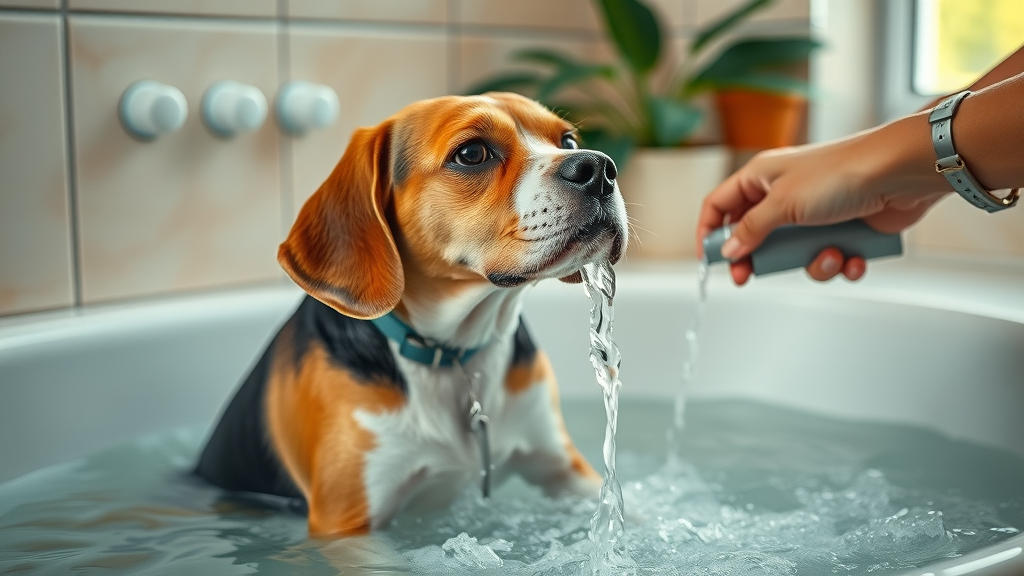
Water temperature and lathering advice: Use lukewarm water, as water that is too hot or cold can worsen skin irritation. Lather gently to avoid causing micro-abrasions on sensitive skin.
Aftercare for dogs with skin conditions: Pat your dog dry with a soft towel and avoid using hair dryers directly on the skin. Moisturize with a vet-approved leave-in conditioner if needed.
Regular and gentle bathing is crucial. Too frequent baths can strip away natural oils, while too few may let allergens or irritants accumulate on your dog’s sensitive skin and coat.
If you notice redness, increased scratching, or a dull coat after a bath, consult your veterinarian. They can help you adjust your routine or recommend a medicated dog shampoo if underlying skin infections are suspected.
What to Avoid: Ingredients Harmful for Sensitive Skin in Dog Shampoos
Parabens, sulfates, and artificial fragrances
Potential skin and coat damage from harsh chemicals
Steer clear of shampoos that list parabens, sulfates, and artificial dyes or perfumes among their ingredients. These components are notorious for disrupting the skin barrier, causing allergic reactions, and triggering chronic skin conditions. Always read the label and choose products designed for sensitive ski.
Sensitive skin dog shampoos should prioritize minimal, natural ingredients and avoid unnecessary chemical additives. If in doubt, consult your vet or opt for vet-recommended brands.
Signs Your Dog Needs a Sensitive Skin Dog Shampoo
Scratching, licking, and red patches
Hot spots, dry skin, and dull coat
Recurring skin infections or allergic reactions
Sudden increases in scratching, chewing or licking stress areas, and visible red or scaly patches can all signal your dog is suffering from sensitive skin. A dull coat, bald spots, or recurring skin infections also point to the need for a switch to a sensitive skin-safe dog shampoo.
Always address these symptoms early; left untreated, skin issues can escalate into serious infections or systemic allergic reactions.

What’s the Best Shampoo for Dogs with Sensitive Skin? Expert Advice from Veterinarians
"Look for dog shampoos featuring colloidal oat and avoid dye or unnecessary additives—these simple swaps can make a world of difference." – Dr. Sandra Holmes, Veterinary Dermatologist
Veterinarians universally agree that hypoallergenic dog shampoo featuring colloidal oat, aloe vera, or coconut oil are best for dogs suffering from itchy skin or chronic sensitivities. Avoiding dyes, parabens, and fragrances sets your dog up for success and makes bath time a positive experience.
If itchiness, redness, or hot spots persist even after switching shampoos, consult your vet. They may recommend a specialized medicated dog shampoo or test for underlying allergies.
Remember: The right dog shampoo is as important as what food or treats you select, as it keeps your dog’s skin, coat, and overall wellness at its best.
Best Practices: Keeping Your Dog’s Skin and Coat Healthy After Bathing
Importance of regular brushing: Brushing your dog daily or weekly helps distribute skin oils, remove allergens, and keep the coat shiny.
Diet tips for improving skin condition: Feed a balanced diet rich in omega fatty acids (found in fish oils and flaxseed) to boost skin and coat health from the inside out.
Using flea and tick treatments designed for sensitive skin: Always select pest control solutions labeled as safe for dogs with sensitive ski to prevent further irritation.
These simple habits give lasting results, helping your dog stay comfortable and reducing the risk of future skin infections or irritations.

What is the best thing to wash a dog with sensitive skin?
The best thing to wash a dog with sensitive skin is a hypoallergenic dog shampoo that contains natural ingredients like oatmeal and aloe vera, avoids sulfates and parabens, and is designed to soothe and protect the skin without stripping natural oils.
What is the best dog shampoo for dogs with sensitive skin?
The best dog shampoo for dogs with sensitive skin will have gentle cleansers, natural moisturizers, and be free from harsh additives. Oatmeal, aloe, and coconut oil are frequently cited by vets for dogs with chronic sensitivity.
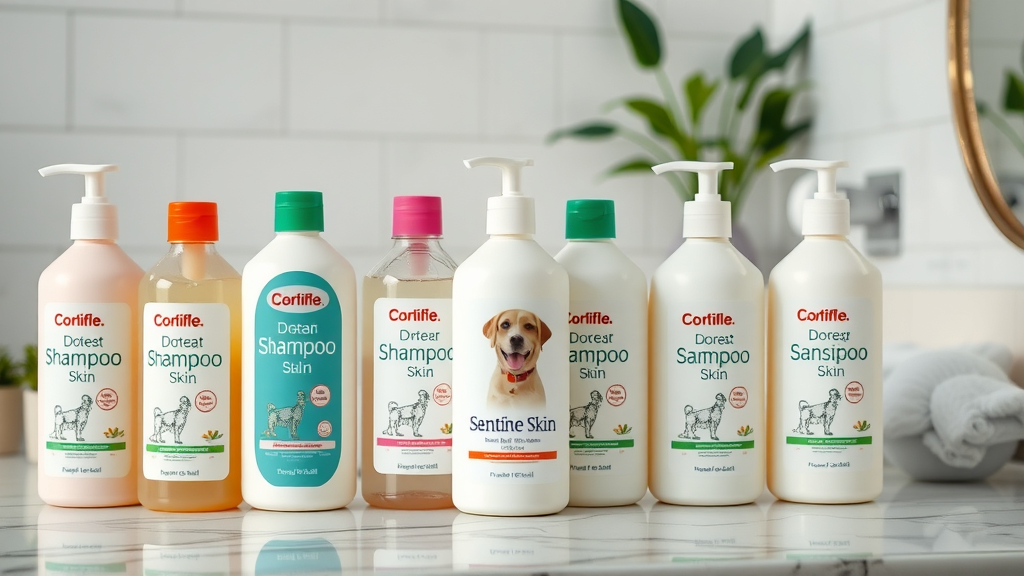
What do vets recommend for dogs with itchy skin at home?
Most veterinary experts recommend medicated dog shampoo for cases of severe itchy skin, or natural ingredient-based shampoos for mild to moderate skin sensitivities. Always consult your vet if symptoms persist.
What dog shampoo to avoid?
Avoid dog shampoos containing artificial fragrances, parabens, sulfates, and dyes. These ingredients may worsen sensitive skin, cause irritation, or contribute to skin infections.
Frequently Asked Questions About What’s the Best Shampoo for Dogs with Sensitive Skin?
How often should I bathe my dog with sensitive skin? Bath dogs with sensitive skin once every 3-4 weeks unless otherwise advised by your vet. Overbathing can dry the skin and worsen irritation.
Can human shampoo be used on dogs? No—human shampoo disrupts a dog’s skin pH balance and can lead to dryness, irritation, or even allergic reactions. Always use a dedicated dog shampoo designed for sensitive skin.
Are medicated dog shampoos safe for regular use? Medicated dog shampoos are safe when used as directed by your vet. For long-term maintenance, alternate with a mild natural shampoo to avoid overtreatment.
What’s the difference between medicated and natural dog shampoo formulations? Medicated shampoos are formulated to treat specific skin infections and conditions, containing antifungal or antibacterial agents. Natural dog shampoos use gentle, plant-based ingredients suited for daily cleansing and preventive care.
Summary of the Best Dog Shampoos for Sensitive Skin
Sensitive skin shampoos optimize your dog’s health and comfort
Always check for soothing natural ingredients such as colloidal oat and aloe vera
Vet-recommended products provide additional peace of mind
Avoid harsh chemicals to prevent skin infections and flare-ups
Ready to Find Your Dog's Perfect Match?
Love pets as much as we do? Join our monthly newsletter for tail-wagging tips, adorable stories, and smart pet care hacks. 🐾 Subscribe now — it's paws-itively free!
Actionable Tip: Before your next bath time, review the ingredient list on your dog’s current shampoo. If you spot any parabens, sulfates, or fragrances, it’s time to upgrade to a gentle, natural, or vet-recommended formula!
When selecting the best shampoo for dogs with sensitive skin, it’s crucial to choose products formulated with gentle, natural ingredients that soothe and protect without causing irritation. Here are some top recommendations:
Earthbath Oatmeal & Aloe Dog Shampoo
This hypoallergenic shampoo combines colloidal oatmeal and aloe vera to relieve itching and moisturize dry skin. It’s soap-free, pH-balanced, and free from parabens and synthetic fragrances, making it ideal for dogs with sensitive skin. ( businessinsider.com )
Vet’s Best Hypo-Allergenic Dog Shampoo
Formulated with aloe vera and vitamin E, this gentle shampoo cleanses without drying out the skin. It’s free from parabens, dyes, and fragrances, providing relief for dogs prone to allergies and skin sensitivities. ( thedodo.com )
Burt’s Bees Oatmeal Dog Shampoo
Made with colloidal oatmeal and honey, this natural shampoo soothes and softens the skin while conditioning the coat. It’s pH-balanced and free from sulfates and colorants, suitable for dogs with sensitive skin. ( thedodo.com )
TropiClean Gentle Coconut Hypoallergenic Shampoo
This soap-free shampoo uses coconut-based cleansers and aloe extract to gently clean and moisturize sensitive skin. It’s free from dyes and parabens, leaving a light, natural scent. ( rover.com )
4-Legger Organic Dog Shampoo
USDA-certified organic, this shampoo contains aloe vera and lemongrass essential oil to soothe and cleanse sensitive skin. It’s free from synthetic chemicals, making it a safe choice for dogs with allergies. ( hairydogwash.com )
When bathing your dog, always ensure thorough rinsing to remove all shampoo residues, as leftover product can irritate sensitive skin. Consult with your veterinarian before trying a new product, especially if your dog has a history of skin issues or allergies.


Write A Comment