
Add Row
Add Element
Paw Press News
update

cropper
update
Add Element
  • Home
  • Categories
    • Training
    • Health
    • Nutrition
    • Behavior
    • Grooming
    • Gear
    • Toys
    • Lifestyle
    • Travel
    • Adoption
    • Stories
July 03.2025
3 Minutes Read

Unlock Your German Shepherd's Potential: Essential Training Tips

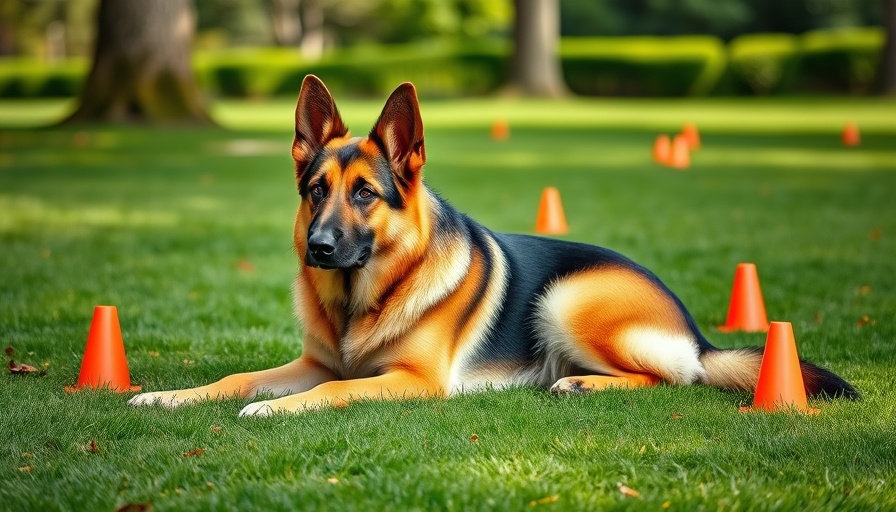
Train your German Shepherd: attentive dog in a park setting.

Why Training Your German Shepherd is Essential

German Shepherds are not just your average dog; they are intelligent, loyal, and possess a versatility that sets them apart. From family pets to working dogs in law enforcement, their capacity for training is immense. The key to unlocking this potential is proper training from the start. With the right approach, you can forge a strong, lasting bond with your furry companion that benefits both of you.

The Unique Attributes of German Shepherds

German Shepherds stand out due to their cognitive abilities paired with a strong desire to please their owners. Ranking among the most intelligent dog breeds, they can learn commands rapidly, often mastering new tasks within a few repetitions. However, their intelligence also means they need mental stimulation to avoid boredom and destructive behaviors. Puzzle toys, training games, and regular trick sessions can help keep their minds sharp while deepening your relationship.

Building Loyalty and Temperament

A hallmark of the German Shepherd is their unwavering loyalty. They form powerful connections with their family members and can become protective of them. While their guarding instincts are admirable, controlling these instincts is vital. Early socialization is crucial; exposing your German Shepherd to a variety of people, animals, and environments can help them differentiate between normal situations and real threats. Positive interactions with visitors will temper their protective nature, ensuring they remain friendly and well-adjusted.

The Importance of Exercise

Another reason training is vital for German Shepherds is their high energy levels. These dogs require at least 60-90 minutes of exercise each day to stay healthy and happy. Without sufficient physical activity, they may become restless or develop behavioral issues. Engaging in activities such as walks, fetch games, or agility training can help fulfill their exercise needs. Additionally, combining mental exercises with physical workouts—like practicing commands during walks—creates a well-rounded routine that benefits their overall well-being.

Adaptability: A Key Trait for Various Roles

The German Shepherd's versatility makes them suitable for countless roles. They adapt easily whether they are family companions or service dogs in various sectors. Their training can be tailored to fit these roles; a family pet may need different training than a dog expected to assist in law enforcement. Identifying the specific needs of your German Shepherd will help you provide the best training approach.

Practical Tips to Enhance Training

First and foremost, consistency is vital in training. Establish a routine so your dog knows what to expect daily. Incorporating fun elements into training not only improves the experience for the dog but also strengthens your bond. Set achievable goals and reward your German Shepherd when they accomplish them to boost their confidence and motivation.

As you embark on this training journey, remember that patience is key. Every dog learns at their own pace, and keeping a positive outlook will encourage a progressive relationship between you and your pet. Adapting your training to fit your German Shepherd's unique personality will yield the best results, making your life together even more rewarding.

Call to Action: To keep your German Shepherd engaged and happy, start incorporating some of these training tips today! Whether you’re teaching them basic commands or advanced tricks, the key to a fulfilling relationship is consistent training and interaction. Embrace the journey, and enjoy the many benefits that a well-trained German Shepherd brings to your life.
Training

44 Views

0 Comments

Write A Comment

*
*
Related Posts All Posts
01.16.2026

Unlock Your Dog's Potential: How to Choose a Dog Trainer Wisely

Update Finding the Right Dog Trainer: A Treasure Hunt for Happy Pets Choosing the right dog trainer is crucial for ensuring your furry friend's behavior aligns with what you envision as their potential. Since the dog training industry lacks stringent regulations, it’s particularly important for dog owners to be aware of the various approaches that trainers utilize. Understanding these methods can save you both time and money while enhancing the bond between you and your pet. Understanding Training Methods: What’s Right for Your Dog? The dog training landscape is diverse, consisting of a variety of methodologies that can greatly impact your dog's development and happiness. It is essential to be informed about the three primary training philosophies that most trainers follow: Positive Reinforcement: This humane method emphasizes rewarding desired behaviors with treats, praise, or play. Positive reinforcement is grounded in operant conditioning principles, suggesting that rewarding your dog encourages them to repeat those behaviors. Studies have shown that dogs trained this way exhibit lower stress levels and develop healthier bonds with their owners. Correction-Based Training: Often rooted in outdated dominance theories, this method relies on punishment and correction to deter unwanted behaviors. Such techniques can lead to anxiety, aggression, and fear, ultimately compromising the dog's emotional well-being. Balanced Training: This approach combines both positive reinforcement and corrective measures. While some trainers adapt this model thoughtfully based on the individual dog, others may resort to harsher methods, leading to inconsistent training outcomes. The Equipment Dilemma: What Your Trainer Uses Matters The training tools a trainer advocates are reflective of their philosophy. Positive trainers typically use harnesses and flat collars, associated with humane techniques, while those advocating for correction-based training might prefer more aversive tools like shock collars. Recognizing the significance of training aids is vital—dogs exhibiting relaxed behavior signify effective methods, whereas tense, anxious dogs may indicate harmful practices. Choosing the Right Trainer: Questions to Ask When vetting potential trainers, it’s essential to ask about their training philosophy, the types of equipment they utilize, and their certification. For instance, trainers endorsed by the Certification Council for Professional Dog Trainers (CCPDT) have demonstrated rigorous knowledge of humane, science-based techniques. Inquire about their ongoing education commitments—this can be a sign of a trainer who stays up to date with best practices and the latest research on canine behavior. Common Misconceptions About Dog Training Many dog owners may believe that all training methods yield the same results. However, research underscores that humane training methods lead to more emotionally stable and better-adjusted dogs. Adverse techniques may seem to work initially but often result in long-lasting behavioral issues that could have been avoided through kinder methodologies. Training should focus on teaching your dog what to do rather than simply punishing undesirable behaviors. Build a Lasting Bond Through Positive Training The approach you take toward training not only affects your dog’s behavior but also strengthens the emotional connection between you and your pet. Positive reinforcement fosters trust and ensures that your training sessions can be enjoyable for both parties. Engaging in these humane methods encourages your dog to feel secure and respected while learning—an essential ingredient for a lasting relationship. In closing, making informed decisions about your dog’s training can significantly affect their happiness, behavior, and your relationship. Keep in mind that every dog is unique and may require different techniques to thrive. Patience, understanding, and the right trainer will make all the difference. Consider consulting the Certification Council for Professional Dog Trainers to find qualified trainers in your area. Committing to a positive training approach will pave the way for a happier, healthier, and well-behaved companion.

01.06.2026

Essential Dog Training Gear: Unleashing the Power of Proper Equipment

Update Understanding the Importance of Dog Training Equipment Training your dog can often feel overwhelming, but the truth is, success begins with having the right equipment. The right dog training tools can mean the difference between a joyful experience for both you and your pet and a frustrating journey full of miscommunication. This article provides valuable insight into essential dog obedience utility articles that every dog owner should consider when training their furry friends. Choosing the Right Collars: A Crucial First Step Every successful training journey starts with the proper collar. For puppies under sixteen weeks, flat collars are recommended because they gently support developing necks. However, as your dog progresses, it becomes vital to transition into a martingale collar, especially for breeds known for slipping out of standard collars. Such collars provide a gentle correction without the harshness associated with choke chains, which can damage trust and create negative associations with training. For those who plan to engage in serious obedience training or even pursue AKC Utility tests, limited-slip collars offer enhanced control. The collar type not only impacts the dog's comfort but also their performance in learning commands. Avoiding collars that cause discomfort or pain ensures that your dog remains focused, fostering an environment for positive reinforcement. Leash Length Matters for Effective Training The leash plays a pivotal role alongside the collar during training exercises. A six-foot leash is a standard choice, balancing control and freedom, allowing your dog to move while adhering to commands. Longer leashes, such as fifteen or thirty-foot options, are ideal for recall training in open spaces, letting dogs explore while still under your supervision. Trainers also emphasize the importance of leash material; cotton and leather options are preferable for long-term use, avoiding wear and tear that could lead to accidents. The width of the leash is worth noting, too—a half-inch leash provides even pressure, while narrower options can be uncomfortable during corrections. Maximizing Success with Proper Fits and Rewards Getting the right fit for collars and leashes is essential to prevent injury and keep your dog focused during training sessions. A collar should fit snugly but comfortably, allowing two fingers to slide inside. Regular fittings are especially important during a puppy's growth periods. Combine these properly fitted collars and leashes with high-value training treats to drive motivation during sessions. Training treats play a vital role in canine learning; they're not all created equal, though! High-value treats—those that are soft and aromatic—work best because they catch your dog’s attention more effectively than standard kibble. Reinforcing with these treats helps dogs quickly associate desired behaviors with rewards, creating a clear pathway towards understanding and obedience. Enhancing Engagement with Interactive Training Toys While treats are great for motivation, it's crucial to complement this with interactive training toys. Fetch toys serve as an excellent tool for maintaining your dog's enthusiasm, particularly during obedience drills. Engaging your pup with these toys during breaks helps prevent boredom and frustration, ensuring that your dog stays eager to learn. Puzzle toys are another valuable asset—they stimulate your dog's mind and assist in developing problem-solving skills essential for advanced training tasks. Regular rotation of toys ensures that your dog's interest remains piqued, contributing to a well-rounded training routine. The Investment That Pays Dividends Investing in quality training equipment—from a well-fitted collar and sturdy leash to effective training treats and interactive toys—can significantly enhance your dog obedience training experience. Ensure that your gear is tailored to your dog’s specific needs, whether they’re a sprightly puppy or a seasoned adult. As you commit to structured training with these essential utility articles, you’ll transform training sessions into rewarding experiences for both you and your dog. With the right tools in hand and an understanding of how to use them, dog owners can nurture their pet’s learning and bonding process, leading to a deeper understanding between handler and hound. Final Thoughts and Call to Action Dog training requires commitment and proper equipment. As we dive into your training journey, consider investing in the recommended collars, leashes, treats, and toys from trusted brands. Your dedication to providing the best tools for your furry companion will create a positive learning atmosphere that benefits you both. Start today by selecting quality items from your local pet store or online retailer, setting up your training sessions for success!

12.04.2025

Unlock Your Dog's Potential: Master Scent Training Today!

Update Mastering Dog Obedience Through Scent Work Teaching your dog to excel in scent work is one of the most enriching experiences for both canine and handler. Not only does it enhance your dog’s natural abilities, but it also fosters a unique bond that can transform your relationship. As dogs find and retrieve scent articles, they engage in a fulfilling activity that can redirect instinctual behaviors and reduce anxiety. Understanding the Fundamentals of Scent Articles Scent articles are specially designed objects utilized in dog competitions, notably the American Kennel Club (AKC) Utility tests. Each team typically uses three types of materials: metal, leather, and wood. These articles are uniform in size and shape but carry distinct scents based on the handler’s natural fragrance. It's crucial to choose quality items that comply with AKC standards to create an effective learning environment for your dog. The Cognitive Benefits of Scent Work Research indicates that engaging in scent work can provide mental stimulation equivalent to hours of physical exercise. According to the Association of Professional Dog Trainers, just 15 minutes of focused scent work can exhaust your dog mentally, akin to 45 minutes of physical activity. This cognitive challenge not only enhances problem-solving skills but also boosts your dog’s confidence, particularly for those that may be shy or anxious. Crucial Equipment for Scent Training When selecting scent articles, start with the basics. Metal articles should weigh between 2-4 ounces and have a smooth finish to prevent injury. Leather articles need to be consistently thick without chemicals that could mask scents. Wooden articles should be crafted from solid wood, free from finishes or stains that might interfere with scent training. It’s essential to purchase these items from reputable suppliers to avoid compromising your training efforts. First Steps in Scent Recognition Training Begin your dog’s scent training at a young age, ideally around nine weeks. Use games like “Find It” to create initial scent associations. Place a familiar object, such as an item of clothing, in a controlled environment and encourage your dog to find it using consistent verbal cues. Gradually introduce the concept of distinguishing between various scent articles, making sure every training session is a positive experience filled with rewards. Building the Training Process Step by Step The key to efficient scent discrimination training lies in a structured approach. Start by allowing your dog to interact with one scented and multiple unscented items during training sessions. Reinforce every positive interaction to cultivate a clear understanding of what is expected. Progressively increase the complexity by introducing more unscented articles while keeping interaction rewards at hand. This sequence helps solidify the concept of scent discrimination in your dog’s mind. Maintaining and Caring for Scent Articles Proper maintenance of scent articles is pivotal for successful training. Clean all items thoroughly after use to eliminate any residual odors that could confuse your dog. For metal articles, washing with mild soap is advisable. Leather and wood articles require gentler cleaning methods, such as a damp cloth. Store these articles separately in airtight containers to avoid contamination, and always keep them in a location free from strong smells. Setting Up for Success at Competitions As you prepare for competitions, managing your articles becomes a priority. Clean them a few days before the event to ensure any cleaning scents have dissipated. On competition day, handle the articles minimally and maintain a calm demeanor—this also helps your dog remain focused during the competition. Fostering a Strong Handler-Dog Connection Throughout the training process, maintain a positive, optimistic atmosphere. The relationship between handler and dog is critical to the success of scent work. Celebrate small victories, remain patient during setbacks, and remember to trust your dog’s instincts. Your belief in their abilities can greatly enhance their confidence and performance. Conclusion: Embracing the Journey of Scent Work Scent training not only serves as an effective obedience exercise, but it also enriches the lives of both you and your dog. By mastering the principles of scent work, you open doors to new experiences and deepen your bond in a way that is both fulfilling and functional. Start your journey today, and witness the transformation in your dog’s behavior and confidence. Ready to embark on this training adventure? Equip yourself with the knowledge and tools necessary to make the most out of your scent training sessions. Your dog’s journey to becoming a scent detection pro awaits!

Terms of Service

Privacy Policy

Core Modal Title

Sorry, no results found

You Might Find These Articles Interesting

T
Please Check Your Email
We Will Be Following Up Shortly
*
*
*