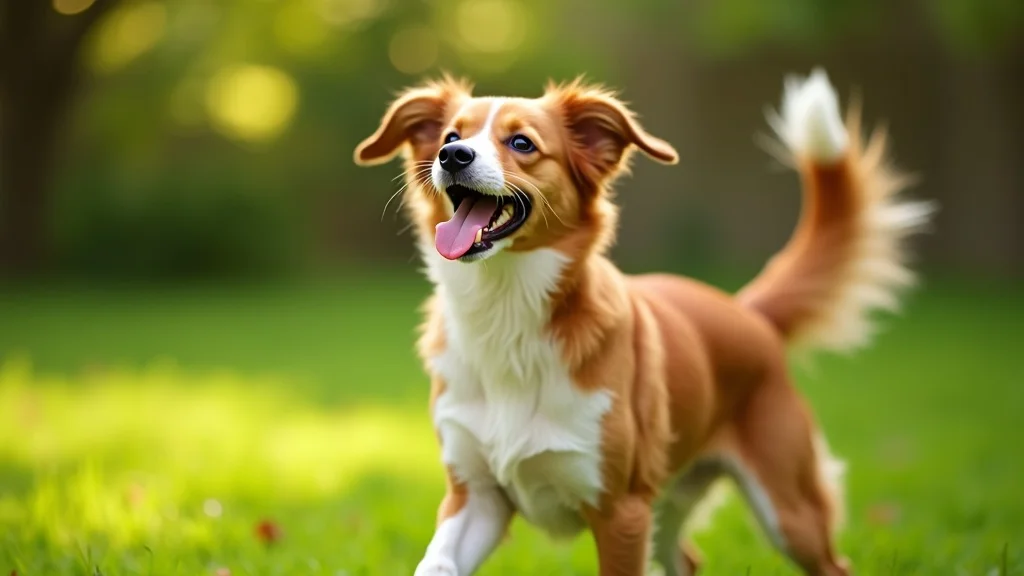
Hook: Have you ever wondered if your dog’s wagging tail is simply a sign of joy—or could it reveal something deeper about their feelings and thoughts? If you’ve ever watched a dog wag their tail and felt curious about what’s really going on, you’re not alone. Let’s uncover the surprising truth behind this iconic canine gesture and learn how paying close attention can help you truly understand your best friend!Curious Canine Communication: Why Do Dogs Wag Their Tails?The question of why do dogs wag their tails may seem simple, but the answer is more complex than many realize. Dogs wag their tails for a variety of reasons, not just happiness. Each wag, direction, speed, and position tells a story about what your dog is feeling or trying to say. Research shows that dogs wag their tails as an intricate form of canine body language, giving clues about their emotional state, intentions, and even their social relationships with other dogs and humans.Interpreting tail wagging is crucial for understanding your dog's well-being. Not every wag means joy—in fact, tail wagging can signal excitement, nervousness, curiosity, or even a warning. Learning to read your dog’s tail-wagging behavior can help you respond appropriately, strengthening your bond and preventing misunderstandings. In this article, we'll dive deep into scientific explanations, expert insights, and practical tips so you can truly decode your dog’s tail language.What You’ll Learn in This Guide About Why Dogs Wag Their Tails:The basics of dog tail anatomy and movementThe science and social signals behind tail waggingHow to tell the difference between happy, anxious, or curious tail wagsWhat tail-wag direction meansBreed differences and communication for dogs with docked tailsHow your interactions influence your dog's waggingFrequently asked questions and expert quotesUnderstanding Tail Wagging: The Basics of Dog BehaviorDefining Wag Their Tails: What Exactly Is Tail Wagging?When you see a dog wag their tail, you’re witnessing a blend of physical movement and emotional communication. Tail wagging is the rhythmic movement of the dog tail, typically side to side, that varies in speed, range, and intensity. Unlike a casual twitch or flick, a true wag involves the entire tail base and is often paired with relaxed or animated body language and sometimes a happy dog expression. But what prompts dogs to wag their tails, and is it always a deliberate action? Dogs exhibit this behavior primarily as a visual signal, especially in social settings.The movement of the tail often reflects what a dog is feeling—be it excitement, curiosity, caution, or contentment. Studies have shown that the tip of the tail, wag speed, and direction all carry unique cues. While some tail wags signal friendly intent or excitement, others might indicate uncertainty or heightened alertness. By noticing these differences, you can get a clearer sense of your dog's mood. Remember, tail wagging is only part of a broader body language system, including ear position, facial expression, and posture.The Anatomy Behind a Dog’s Tail WagA dog’s tail is a remarkable extension of their spine, comprised of small bones, flexible joints, and powerful muscles controlled by their nervous system. The anatomical structure allows a unique spectrum of tail movement—quick wags, slow sweeps, even tightly-held curves. The tail is richly supplied with nerves that not only enable movement, but also help dogs communicate mood or physical state through tail position and wagging style.Interestingly, the base of the canine tail is particularly sensitive; it’s where most communication signals come from. Dogs can adjust the height, curve, and intensity of their wags depending on how they feel. For example, a high, fast wag can mean excitement or alertness, while a low, gentle wag typically shows submission or calm. Understanding how the tail works physically helps us know why dogs wag their tails in so many unique ways, making “dog wagging” a truly expressive language.Table: Types of Tail Wagging and Their Potential MeaningsType of WagDescriptionPossible MeaningWide, fast wag (mid or high)Tail swings broadly side to side, sometimes with full-body movementExcitement, happiness, greeting favorite human or dogSlow, low wagTail moves gently or barely above the hocks, sometimes stiffUncertainty, caution, evaluating situation or strangerShort, quick wagsSmall, rapid movements—tail may be held higher or tightlyAlertness, possible agitation, preparing to reactHelicopter wagTail rotates in full circles—often seen in super-excited dogsExtreme happiness, reunion behaviorLeft-biased vs. right-biased wagTail moves more to one side of midlinePotential friendliness (right) or uncertainty/warning (left) based on scientific studiesFor a deeper dive into the nuances of canine tail language and what each type of wag might mean in different situations, you can explore the full guide at Why Do Dogs Wag Their Tails? Discover the Surprising Truth. This resource breaks down the science and social cues behind tail wagging, offering even more practical examples for dog owners.Why Do Dogs Wag Their Tails? Scientific ExplanationsCommunication Signals in Tail WaggingThe most compelling scientific answer to why do dogs wag their tails centers on communication. Dogs wag their tails to send signals—both to other dogs and to people—indicating their emotional state, social intent, or readiness to interact. According to research in veterinary medicine, tail wagging is a complex social signal that dogs develop as puppies and refine as they grow. The type of wag, position of the tail, and associated body language all work together as a “dog language.” A study found that dogs even recognize and react differently to the tail wags of other dogs!Tail wagging can be viewed as a sort of “visual voice” through which dogs show positive emotions (like happiness), respond to new environments, or display caution and anxiety. The movement of the dog tail is just as important as vocalizations or facial expressions. When dogs wag their tails upon seeing a familiar human, they may be expressing affection, excitement, or anticipation. In social settings, tail-wagging behaviour helps dogs negotiate play, avoid conflict, or solidify pack relationships. Decoding these subtle cues is a skill every dog owner should have.Expert insight: Veterinarian Dr. Lisa Brent notes, “Tail wagging is one of the most underestimated social signals in dog communication. Dogs exhibit an incredible range of emotion, and tail movements can tell you a lot about their comfort, excitement, or stress—even before you notice any vocalizations or body movements.”Differentiating Between Happy and Anxious Wagging BehaviourNot all tail wagging is the same—even if the movement looks similar at first glance. Happy dog tail wags are typically loose, energetic, and often involve a relaxed body and an open mouth or “smile.” In contrast, anxious or nervous wags can appear stiff, low, or paired with other signs of stress like tucked ears or lip licking. Understanding the difference between a “happy wag” and an “anxious wag” is vital to reading your dog’s emotional state and responding appropriately.A study found that dogs wagged their tail more freely—often to the right—when interacting with people or dogs they liked. On the flip side, dogs showed left-biased, shorter, or stiffer wags when experiencing uncertainty or when confronted by something unfamiliar or intimidating. So, next time you see a wagging tail, pay attention to the context, tail position, and the dog’s overall body language. This holistic view will help you decode your dog’s feelings far better than watching the tail alone.Common Reasons Dogs Wag Their TailsGreeting their humans and fellow dogsResponding to emotional triggers—happy, fearful, or excitedExpressing curiosity or social uncertaintyNegotiating play or signaling surrenderCommunicating alertness or warning in new environmentsGreeting Their Humans and Other DogsHave you ever noticed your dog wagging their tail the moment they see you coming home? For most dogs, greeting their favorite humans or furry friends is a top reason for tail wagging. These greeting wags are big, loose, and filled with excitement. Dogs wag their tails energetically in the company of people or animals they love, often with their whole body in motion and a shining facial expression—almost reminiscent of a human smile. This type of wag usually indicates a happy dog who’s thrilled to reconnect, whether after five minutes or a few hours apart.Greeting wags aren’t just for humans. Dogs wag their tails when they meet fellow canines, too—helping to show friendly intent and reduce tension during first encounters. Recognizing this welcoming signal is key to facilitating positive dog-dog introductions or assessing how your pet feels about visitors. As you become more attuned to this type of wagging behaviour, you’ll notice that dogs often accompany their greetings with vocalizations, bouncy steps, or playful bows. It’s pure “I missed you!” in body language form.Responding to Emotional Triggers: Happy, Fearful, or Excited?Dogs also wag their tails in direct response to emotional triggers—whether joy, fear, excitement, or even frustration. The style and energy of the tail wag shifts based on what the dog is feeling at that moment. Happy wags tend to be broad and relaxed, whereas fearful or nervous wags look smaller, faster, or occur while the tail is held low. Dogs exhibit wagging behaviour when something grabs their focus, like a favorite toy or an unusual sound, enabling them to express emotions when words fail.Tail wags associated with excitement are often accompanied by perked-up ears, dancing paws, and sparkling eyes. In contrast, wags prompted by fear or anxiety might appear hesitant or be paired with avoidance behaviors. Sometimes, dogs use a single wag or “flag” of the tail to show mixed feelings—meaning both positive and negative emotions can trigger this action. Being able to differentiate between these types based on tail position and movement will help you understand and support your dog’s emotional state more effectively.Expressing Curiosity or UncertaintyCuriosity is another key reason why dogs wag their tails. When a dog encounters something new—a scent on a walk, a visitor, or an unusual object—their tail may wag tentatively or slowly. This “curious wag” often comes with focused, alert eyes and a slightly forward-leaning posture. Dogs use their tails in combination with other body language to communicate curiosity and decide how to proceed with the new stimulus.A slow, subtle wag, sometimes accompanied by a tilted head, is a classic sign that your dog is processing information or unsure about their next move. Unlike high-energy wags that scream “Let’s play!”, these reserved wags encourage you to pay attention to the rest of the dog’s signals—such as ear orientation or tail held—before deciding how to respond. Remember, uncertainty wags don’t indicate negative emotions; they simply reveal a careful, inquisitive dog who’s gathering more data before acting.Tail Wag Direction and Side Bias: What Science RevealsLeft vs. Right: The Importance of Wag DirectionOne of the fascinating discoveries in dog behavior science is the concept of “side bias”—the preference for wagging the tail more to the left or the right. Studies have demonstrated that the direction of tail wags can reveal a dog’s emotional state. Dogs wag their tail more to the right when experiencing positive emotions, like happiness or relaxation, especially when greeting their humans. In contrast, a left-biased wag often signals caution or stress, such as approaching an unfamiliar person, animal, or situation.The reason? It all comes down to the dog’s brain. The right side of the brain controls the left side of the body (and vice versa)—so a tail wag that favors the right indicates a more positive, approach-oriented emotion, while a left wag can signal withdrawal or discomfort. By observing which way a dog wagged their tail, researchers can often predict the dog’s comfort or stress level. While not all dogs show strong side bias, it’s a remarkable glimpse into how tail wags mirror canine emotions.Behavioral scientist: “The subtle direction of a tail wag tells us more than we ever realized about a dog’s current emotional state. Paying attention to side bias can give owners early signs of happiness or anxiety, well before other behaviors appear.”How Side Bias Impacts Canine Social InteractionsSo why does side bias matter in daily dog interactions? Observing the direction of tail wagging enables dogs—and us—to predict if an encounter will be smooth, tense, or neutral. A dog wagging its tail to the right signals openness and sociability, making it more likely to approach or play. Conversely, a left-biased wag might encourage caution or even deter another dog from coming too close. This silent yet visible cue shapes social experiences at the park, during playdates, or when greeting new guests.Dog trainers and veterinary medicine specialists recommend that humans observe not just the presence of tail wagging, but its direction, speed, height, and pairing with other body language. Doing so deepens the understanding of the dog’s emotional state and helps manage group settings or stressful introductions. Future studies on canine body language will likely uncover even more about how dogs use side bias to maintain harmony and avoid conflict in their everyday lives.Do All Dogs Wag Their Tails the Same Way? Breed DifferencesTail Wagging Variations Across Dog BreedsEvery dog is unique, and so is their tail! Different breeds have distinct tail shapes, lengths, and natural positions, all of which influence tail wagging style. Some dogs have long, flowing tails that carve wide arcs, while others sport short or curled tails that wag in tight circles or shakes. For instance, labs and retrievers are famous for their sweeping, “otter tail” wags, while huskies’ plumed tails may wag above their backs, and basenjis’ tightly curled tails barely seem to wag at all.Breed can affect the ease with which you spot tail movement and recognize subtle shifts in wagging behaviour. Some dogs exhibit reserved or subtle tail movements due to tail structure or fur density. Others, such as shibas or akitas, use their tails along with other body signals to communicate intent. If you share your home with a tiny terrier, a large mastiff, or anything in between, learning your specific dog’s “tail language” is key to building trust and understanding. Always consider breed-specific quirks as you interpret wagging cues.Dogs With Docked Tails: How Do They Communicate?Dogs with docked or naturally short tails—such as boxers, corgis, or some terriers—still communicate, but often rely on other body language cues. The lack of a long tail doesn’t stop these dogs from expressing excitement, nervousness, or greeting behavior. In fact, you’ll often see docked-tail dogs wagging their entire rump, shifting their weight, or exaggerating ear and facial expressions to make their feelings known.These dogs adapt—using what they have to continue effective communication. Owners of docked-tail dogs should pay extra attention to the dog’s eyes, posture, and subtle shifts in tail position for clues about their emotional state. Thankfully, dogs are excellent at “speaking” in many ways, and with close observation, you’ll learn when a stubby wag or an all-over wiggly body means your boxer's in high spirits (or feeling uncertain!).Human Interaction: Why Do Dogs Wag Their Tails When You Look at Them?Understanding the Human-Canine Bond Through Tail WagMany dog owners ask: Why do dogs wag their tails when you look at them? The answer ties into the deep bond that has developed over thousands of years between humans and dogs. When a dog wags its tail at direct eye contact, it is often a sign of happiness, anticipation, or a request for attention. Dogs show excitement and affection for their favorite people in this way, creating an emotional “loop” that strengthens the relationship. In fact, scientists have shown that tail wagging, like a human smile, builds positive connections and reinforces social bonds.Dogs are highly attuned to their owners’ cues. Even a gentle gaze, a familiar voice, or an encouraging gesture can set a dog’s tail wagging. This shows not only how dogs communicate with us, but how they read our emotions in return. If your dog wags its tail when you look at them, respond with kindness and affection—your attention is often exactly what they want!Body Language Beyond Tail WaggingWhile tail wagging is an essential part of canine communication, don’t forget the rest of the dog’s body language. Dogs use ears, eyes, mouths, posture, and vocalizations in concert with their tail to send messages. For example, a dog with a wagging tail but raised hackles or tense body may actually be feeling conflicted or anxious. Learning to read these signals holistically helps prevent misinterpretation—ensuring you can detect subtle mood changes, stress, or comfort.Dog trainers encourage owners to observe the whole picture: a droopy tail and pinned ears could spell fear or submission, while a high tail and upright body might mean confidence. The key takeaway: the wagging tail is just one “word” in your dog’s emotional vocabulary. With patience and practice, you’ll become fluent in “dog language”—helping your pup feel truly understood.People Also Ask: Why Do Dogs Wag Their Tails?Is a dog happy when it wags its tail?Dogs often wag their tails when they’re happy—but a wagging tail doesn’t always mean joy. A happy dog typically wags with broad, loose sweeps and a wiggly body, especially when reunited with a loved one or preparing to play. However, dogs also wag their tails when anxious, uncertain, or alert. To truly understand your dog’s mood, pay attention to the whole body: relaxed muscles and an open mouth suggest happiness, while stiffness, lip licking, or a low, slow wag may indicate mixed emotions or stress.Do dogs control their wags?Yes, dogs have voluntary muscle control over tail wagging, but certain wags may occur as automatic reactions. For example, seeing a beloved person or an exciting toy can trigger an instant happy wag, even before the dog is fully aware of it. On the other hand, dogs can also wag their tails deliberately—as a signal to other dogs or to communicate intent. Not all wagging behaviour is fully conscious, but dogs do have significant control over their tail movement, especially as they mature.Do dogs control their tail wagging?Dogs generally have conscious control over their tail wagging, depending on the situation and their emotional state. When calm and content, dogs may wag their tails intentionally to communicate. Strong emotions like excitement or fear can also trigger involuntary wags or stiff tail movements. Young puppies might wag impulsively, but as dogs grow, they learn to tailor their wags as social signals, adjusting intensity, speed, and direction based on context and company.Why do dogs wag their tail when you look at them?Dogs wag their tails when you look at them as a response to positive emotions, recognition, or anticipation of interaction. Direct eye contact with a familiar person elicits an affectionate response: your dog feels acknowledged and often wants to initiate play, cuddling, or conversation. This tail wag is your dog's way of saying, “I see you and I’m happy you’re here!” The behavior deepens your human-canine relationship, creating joy for both you and your pet.FAQs: Tail Wagging, Dogs Wag Behavior, and MoreHow can I tell what my dog's tail wag means?Observe the speed, height, and direction of the wag, as well as the rest of your dog’s body language. A high, loose wag with a relaxed posture and happy facial expression usually signals excitement or friendliness. A low, slow wag accompanied by tense muscles can indicate caution or uncertainty. Learn your dog’s personal patterns, as each dog’s emotional vocabulary is unique.Can a dog's tail wagging indicate health issues?Unusual tail wagging—like persistent low wags, limp tail, or visible discomfort—may signal health problems such as injury, nerve issues, or pain. If your dog’s tail movement changes suddenly, seems stiff, or causes your pet distress, consult a veterinarian to rule out any underlying medical conditions.Do puppies wag their tails differently from adult dogs?Yes, puppies often wag their tails more enthusiastically and may be less precise with their movements. As puppies mature, they gain better muscle control and learn to tailor their tail wagging behaviour to specific social situations, mirroring the canine communication style seen in adult dogs.Is tail wagging common in wild canines like wolves or foxes?Tail wagging as a social communication tool is seen in many wild canines—including wolves and foxes. However, domestic dogs tend to use tail wagging more frequently and in a broader range of social interactions, thanks to their close relationship with humans and other dogs.Key Takeaways: What Every Dog Owner Should Know About Why Dogs Wag Their TailsNot every tail wag means your dog is happy—context matters!Observe the speed, direction, and height of the wag for clues to your dog’s feelings.Breed, tail length, and past experiences shape every dog’s unique communication style.Wagging behavior helps dogs interact, express emotion, and avoid conflict.Combine tail movement with whole-body language to best understand your pet.Wrapping Up: The Complexity Behind Why Dogs Wag Their TailsFinal Thoughts on Understanding Tail Wagging and Dog EmotionsInterpreting why dogs wag their tails deepens your connection, supporting happier, healthier relationships and ensuring your dog always knows they’re understood and loved.If you’re eager to expand your understanding of canine communication and want to become even more attuned to your dog’s needs, consider exploring additional resources on the science of dog behavior. By delving into advanced guides and expert-backed articles, you’ll gain a holistic perspective on how dogs express themselves—not just through tail wagging, but through every aspect of their body language and daily interactions. The journey to becoming a truly insightful dog owner is ongoing, and each new insight helps you nurture a deeper, more rewarding bond with your furry companion. For a comprehensive look at the surprising truths behind tail wagging and beyond, visit this in-depth article on why dogs wag their tails and continue your learning adventure.Want more tips, stories, and pet care guides delivered straight to your inbox? Join our monthly PawPress newsletter and stay in the loop with the latest for your furry friends. 🐾 Subscribe now — your pets will thank you!Understanding the nuances of canine tail wagging can significantly enhance your relationship with your dog. For a comprehensive exploration of this behavior, consider reading “Why Do Dogs Wag Their Tails?” by Britannica, which delves into the communication, emotions, and evolutionary aspects of tail wagging. Additionally, “Why Do Dogs Wag Their Tail?” by Scientific American examines whether tail wagging is a side effect of domestication or a trait selected by humans. These resources provide valuable insights into the complexities of canine communication.




Write A Comment