

Did you know: More than half of all cats experiencing pain go unnoticed by even the most loving pet owners. Cats instinctively hide pain, making early detection tricky—sometimes until it’s almost too late. But you can learn to read the subtle clues your feline friend is giving you. This guide unpacks how to detect pain or discomfort in cats before small issues become life-changing emergencies. Here’s how to spot the hidden signs and help your cat lead a pain-free, happy life.
Uncovering the Hidden Signs: Why Knowing How to Detect Pain or Discomfort in Cats Matters
Cats are experts at masking pain. In the wild, hiding discomfort is a survival tactic to avoid becoming an easy target. Unfortunately, this natural instinct means that domesticated cats often suffer in silence, and by the time outward signs are obvious, the pain may be severe or chronic. Pet owners who understand how to detect pain or discomfort in cats can take swift action, protecting their companions from unnecessary suffering and avoiding medical complications that might require urgent intervention at an animal hospital.
Recognizing pain in cats not only improves their quality of life, but can also give you peace of mind as a responsible cat guardian. Simple behaviors such as a cat sleeping more hours, avoiding the litter box, or experiencing a sudden change in appetite may signal underlying pain in cats. Becoming familiar with these signs of pain will give you the confidence to care for your pet proactively, reducing costly vet visits and ensuring a healthier, happier partnership for years to come.
A Surprising Statistic: Most Cases of Pain in Cats Go Unnoticed
Recent studies show that over 60% of acute pain episodes and even more cases of chronic pain in cats are not identified by owners until advanced stages. Behavioral shifts, such as increased hiding or subtle changes in facial expressions, often go unrecognized—even though they may indicate that your cat is in pain. These findings highlight why it is critical to learn how to detect pain or discomfort in cats at the earliest possible stage. Catching pain early means better pain management, quicker recovery, and fewer long-term problems caused by untreated pain.

What You’ll Learn in This Guide About How to Detect Pain or Discomfort in Cats
- The key signs of pain in cats and what to watch for
- How to assess if your cat is in pain or discomfort
- Common causes of pain in cats
- When litter box habits indicate a cat is in pain
- The importance of facial expressions and body language in detecting pain in cats
- Red flags and urgent signs requiring veterinary attention
Understanding Why Detecting Pain in Cats is Challenging
Learning how to detect pain or discomfort in cats can be especially difficult because of their evolutionary history and the unique ways they express pain. Cats often display pain differently than dogs or humans, using subtle body language and facial cues instead of obvious yelps or limping. That’s why monitoring your cat at home is so important—it allows you to notice early warning signs before pain becomes severe. Whether it's chronic pain or a sudden episode of acute pain, being observant and understanding your cat’s normal patterns gives you an advantage in spotting trouble quickly.
While some symptoms, like abdominal pain or changes in heart rate, might only be noticed by a veterinarian, many signs are visible in everyday interactions. Knowing where and how to look—a hesitant step, reluctance to jump, or neglecting grooming—can be the key to improving your cat's quality of life. Detecting pain early prevents unnecessary suffering and increases the success rate of any treatment of pain your vet may recommend.
Why Cats Hide Pain: Instincts and Evolution
“Felines are among the most stoic of our companions—being well-versed in masking pain to avoid showing weakness in the wild.” — Dr. Melanie Brooks, DVM
Cats’ evolutionary instincts work against them when it comes to health care at home. In nature, a cat displaying pain or discomfort becomes vulnerable to threats and is more likely to be left behind by the group. This trait hasn’t lessened in domestic environments; it’s why even indoor cats with chronic pain often appear outwardly fine. The earliest indicators—such as subtle shifts in facial expression or sleeping more hours—vary depending on the type of pain or its source, making regular observation indispensable for responsible pet owners.
Understanding these natural instincts helps explain why pain in cats can go untreated until it is well-advanced. Only by paying attention to subtle hints—the way your cat moves, interacts, grooms, or responds to touch—can you identify that a cat is in pain and needs help. That’s why every pet owner should be ready to look past the veil of feline stoicism and act quickly when any sign of pain emerges.
Universal Signs of Pain or Discomfort in Cats: What Every Pet Owner Must Know

Recognizing pain in cats begins with learning the most universal behavioral and physical warning signals. While every cat is unique, there are common signs of pain that can signal discomfort, illness, or serious medical problems. The most reliable indicators are often changes in your cat’s daily behavior, mannerisms, or body language. These may include shifts in appetite, frequency of grooming, and unexpected aggression or withdrawal. Even a reserved cat might start sleeping more hours or avoid interaction, both major red flags that anything from abdominal pain to chronic pain could be at play.
Don’t ignore subtle signs: If your once social cat is suddenly hiding away, avoiding the litter box, or waking you with increased vocalization, pain in cats may be the underlying cause. Monitoring these clues at home helps you establish a baseline of what’s normal for your pet, so unusual behaviors stand out as soon as they appear. Early identification can make the difference between effective treatment and irreversible health problems, so it’s vital to know not only what to watch for but also what each signal might mean for your cat’s health.
Behavioral Shifts: Subtle and Obvious Signs of Pain in Cats
- Hiding more than usual
- Decrease in appetite or sudden food avoidance
- Excessive grooming or neglect of grooming
- Increased vocalizing (crying or meowing)
- Uncharacteristic aggression or irritability
Sudden behavioral changes are often the first sign that your cat is experiencing pain. For instance, a normally outgoing cat that suddenly begins hiding for long stretches or aggressively hissing without provocation may be reacting to internal discomfort, such as a painful area caused by an injury, arthritis, or even a urinary tract infection. Similarly, cats in pain may avoid their favorite foods, abruptly stop playing, or withdraw from social activities they previously enjoyed.
Excessive grooming—especially over one spot—or complete neglect of self-care, resulting in clumped or matted fur, also points to a problem. Increased vocalization is another warning sign. If your cat is in pain, he or she might suddenly start crying out, growling, or meowing at night. Trust your instincts and pay attention to these shifts; even small changes can indicate pain building beneath the surface, making early intervention and veterinary advice essential.
Physical Symptoms: Recognizing When a Cat is in Pain
- Limping or difficulty jumping
- Stiff movements or reluctance to move
- Rapid breathing or changes in heart rate
- Unusual litter box habits
Physical symptoms can often be more obvious than behavioral shifts, but they are not always present in the early stages. Cats in pain might walk with a limp or avoid jumping onto furniture altogether. Stiffness in movement or sudden reluctance to play can be associated with joint issues, arthritis, or an injury. Another vital sign of pain in cats is rapid breathing or an elevated heart rate, both of which a veterinarian can measure, but you might notice shallow, faster breaths at home.
Changes in litter box habits—such as missing the box, hesitating before using it, or vocalizing in pain—can point to abdominal pain, urinary tract issues, or other painful conditions. These symptoms, especially when accompanied by signs like squatting for unusually long periods or avoiding the box, should prompt an immediate veterinary check. Early physical symptoms can lead to more effective pain management if recognized and treated swiftly.
Facial Expressions: How to Detect Pain or Discomfort in Cats Through Their Faces
- Flattened ears
- Narrowed or squinting eyes
- Tense jaw muscles
- Grimace Scale for cats
Your cat's facial expression is one of the clearest windows into its comfort level. Small changes—like ears tilted back, tightly narrowed eyes, or a set jaw—can indicate that a cat is in pain. The feline grimace scale, a science-backed tool, helps veterinarians and owners assess the degree of pain by observing subtle cues, such as whisker position, orbicularis oculi muscle tightening, and brow shape.
Learning to decode these facial expressions may take some practice, but it allows you to spot discomfort well before the pain in cats becomes extreme. Staring, grimacing, or blinking slowly are all signs that may point to a painful area that needs medical attention. Documenting these changes with photos or notes to share with your veterinarian can speed up diagnosis and the treatment of pain.
A short, educational video showing real cats with subtle and overt signs of pain—covering basic behavioral and physical signs, with gentle voiceover tips from veterinarians.
The Science: Assessing Pain in Cats and Why Signs of Pain Vary
Pain in cats is complex, and each animal expresses it differently based on their past experiences, age, and health. Veterinarians use a mix of clinical observation and owner input to get a full picture when assessing pain—relying not only on vital signs like heart rate but also specialized pain scales, such as the feline grimace scale. The way a cat responds to gentle examination, pressure on certain areas, or the presence of chronic pain dictates which pain medications, supplements, or therapies might be best.
This science-based approach makes it critical for owners to provide clear descriptions of changes in litter box habits, grooming, movement, and demeanor at home. These details help vets tailor pain management strategies to each individual cat, maximizing comfort and recovery while minimizing the risks associated with untreated or improperly treated pain.
How Veterinarians Evaluate Pain in Cats
- Observing changes in heart rate and vital signs
- Applying feline pain assessment scales
- Using input from cat owners on behavior at home
Veterinarians take a systematic approach to determining whether a cat is experiencing pain. They begin by examining changes in heart rate, breathing patterns, and other vital signs that may signal stress or discomfort. Pain assessment scales—tailored specifically for felines—offer a structured method for quantifying pain in cats, establishing an objective baseline for treatment and monitoring. A vet will often ask detailed questions about changes in your cat’s daily behavior, including sleep patterns, appetite, and litter box use.
The quality of information you provide about your cat at home is invaluable, as it helps veterinarians distinguish between acute pain (sudden onset) and chronic pain (long-term discomfort). These differences affect which pain medications or alternative treatments, such as special diets or supplements, are most effective in restoring comfort and improving your cat’s quality of life.
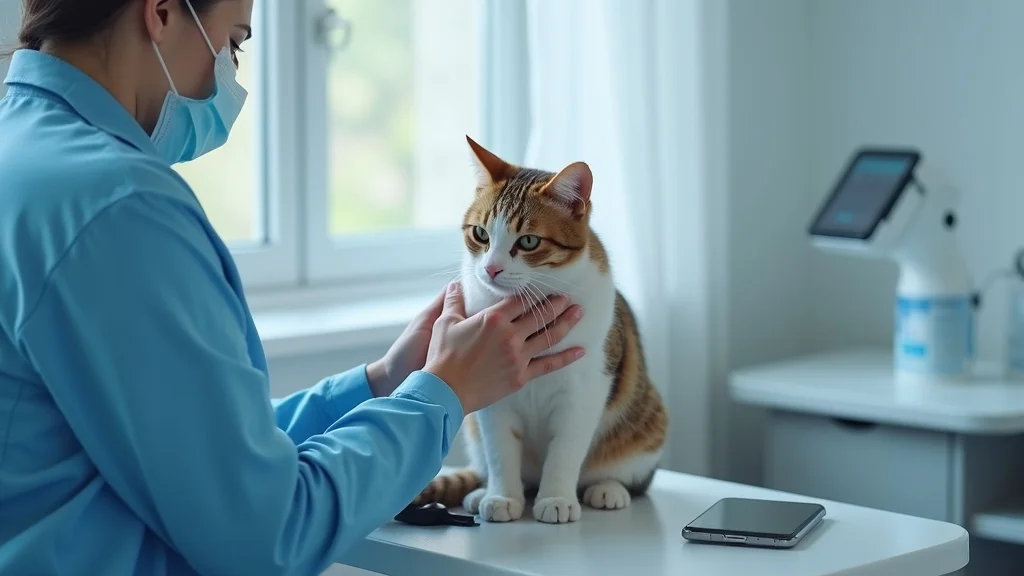
Table: At-a-Glance Chart of Common Signs of Pain in Cats
| Sign | Physical Appearance | Behavior Change | Severity Level |
|---|---|---|---|
| Limping | Visible limp | Reluctant to jump | Moderate–Severe |
| Hiding | Normal/tense | Increased duration | Moderate |
| Vocalizing | None | Exaggerated meows | Mild–Moderate |
| Appetite loss | Normal | Won’t eat | Moderate–Severe |
| Litter box change | Hunched, stiff | Avoids box | Severe |
Key Areas to Monitor: Litter Box, Grooming, and Interaction
Three major areas often provide important clues that a cat is in pain: litter box behavior, grooming habits, and general interaction with family members. Each can reveal the hidden signs of pain in cats if observed closely over time. If you notice your feline spending extra time in the litter box, crying out during use, or hesitating before stepping in, these may be symptoms of abdominal pain, urinary tract issues, or discomfort caused by arthritis. Likewise, sudden changes in grooming—either obsessive licking or total neglect—may indicate that your cat is experiencing pain in a specific, often hard-to-spot, painful area.
The level of interaction your cat maintains with others is also telling. Cats in pain may seek less attention, decline cuddles, or retreat to a distant corner of the house. These changes are rarely random—they almost always point to a health issue, especially if paired with other warning signals like mood changes or appetite loss. Frequent monitoring of these key areas at home helps spot new trends that could mean an impending health crisis.
Litter Box Clues: What Litter Box Behavior Says About Pain in Cats
- Frequent visits but no urination
- Crying or vocalizing when using the litter box
- Avoiding the litter box altogether
Changes in how your cat uses the litter box often signal a problem before other symptoms become obvious. A cat in pain may enter the box repeatedly, straining to urinate or pass feces with little result. This behavior is common in conditions such as urinary tract infections or blockages, both of which can cause severe abdominal pain and may become life-threatening if not treated promptly. Vocalizing, crying, or meowing during use is a direct sign of discomfort, while avoiding the box entirely suggests an association between pain and elimination.
Paying close attention to these habits is critical. If your cat shows even one of these signs, make an appointment with your veterinarian immediately. Early intervention decreases the risk of chronic pain and improves your cat's recovery and quality of life—making it essential for owners to understand the connection between litter box patterns and pain in cats.
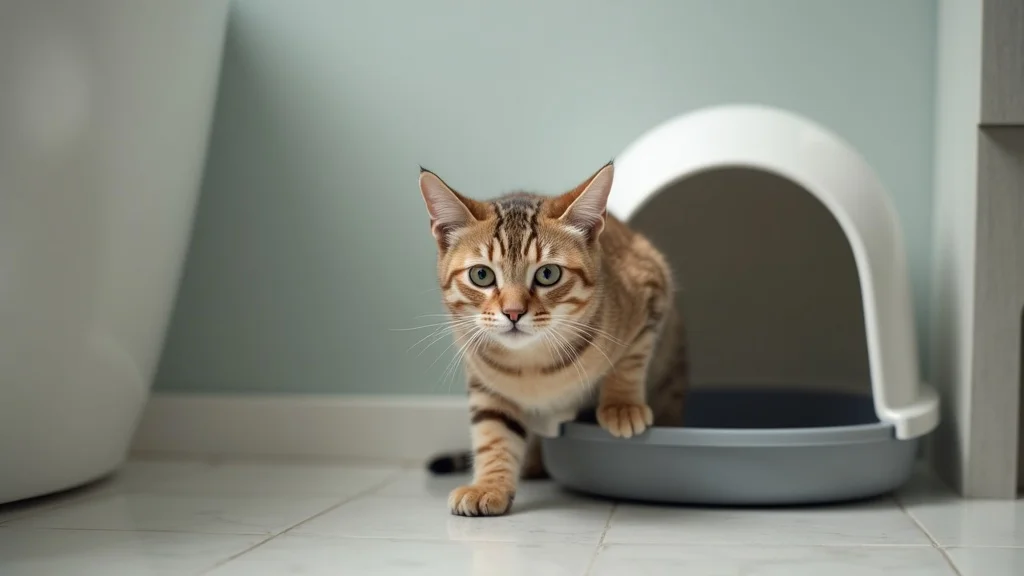
Changes in Grooming Habits: Cat Is in Pain or Unwell
- Over-grooming in one spot
- Complete neglect of grooming (matted fur)
- Seeking less attention or cuddles
Another common indicator that a cat is in pain is a noticeable change in how they groom themselves. A normally meticulous self-groomer may ignore their hygiene altogether, leading to greasy or matted fur. Conversely, obsessive grooming or licking—especially concentrated over a single area—can indicate pain caused by an injury, arthritis, or even skin conditions. Cats with chronic pain might avoid being touched or groomed on sensitive areas, withdrawing from affection or interaction.
If you suspect your cat is in pain, observe their coat closely and monitor daily for new or worsening changes. Persistent overgrooming, neglected fur, or reduced time seeking attention are early signs of trouble, pointing to a potential painful area or underlying medical condition. By noting these changes and reporting them to your veterinarian, you help ensure quick action for more effective pain management and a better outcome for your feline friend.

When is Pain Chronic? Identifying Ongoing Discomfort in Cats
Acute pain—such as from a sudden injury or illness—is easier to identify and frequently triggers dramatic behavioral responses. However, chronic pain in cats develops gradually and can present as subtle, persistent changes. This is especially common in older cats with arthritis, dental disease, or long-standing injuries. Chronic pain often leads to changes in mobility, gradual withdrawal, and long-term shifts in mood. Recognizing when discomfort has moved from acute to chronic is critical for helping your pet regain a full, happy life.
Look for patterns: If your cat’s limp, irritability, or lack of playfulness persists over weeks rather than days, these are likely signs of chronic pain rather than a temporary discomfort. Early intervention with your veterinarian helps ensure that treatment plans, such as pain medication or specialized diets, can improve your cat’s quality of life—for the long haul.
Chronic Pain Versus Acute Pain in Cats: Signs to Differentiate
- Gradual changes in mobility
- Persistent lameness or stiffness
- Ongoing mood changes
Knowing the difference between chronic pain and acute pain helps in understanding the urgency of your cat’s needs. Acute pain often follows trauma, surgery, or sudden illness, causing a fast onset of limping, vocalization, or visible distress. In contrast, chronic pain presents over time—your cat may slowly stop jumping onto favorite perches or become increasingly irritable. You might notice mood changes, like less interest in play, over the course of months, signaling a shift from temporary discomfort to a long-term pain state that requires consistent management.
If your cat displays gradual signs—such as persistent stiffness or losing interest in interactive activities—schedule a comprehensive checkup. Chronic pain can rob cats of their joy and reduce life expectancy if not managed properly, so your timely intervention can make an enormous impact.
Pain Medication and Treatment: What to Do When Your Cat Is in Pain
When you confirm that your cat is in pain, intervening with the right treatment is essential. However, never attempt to treat cat pain with human medications, as many are toxic or even fatal for cats. Only a veterinarian can prescribe safe pain medications tailored to your cat’s specific needs, taking into account the type of pain and any other underlying health concerns. Options for pain management may include anti-inflammatory drugs, opioids, or newer alternative therapies, such as joint supplements and prescription diets.
Effective pain management improves mobility, appetite, and general well-being. Monitoring your cat closely after starting pain medications is key, as side effects or reactions can appear. Don’t hesitate to consult your vet about alternatives, including physiotherapy, acupuncture, and lifestyle changes that reduce painful area exposure while boosting overall comfort.
Understanding Pain Medications for Cats
- Common pain medications prescribed by vets
- Risks of using human medications
- Alternatives: diet, supplements, and lifestyle modification
Pain medications prescribed for cats are tailored for their unique bodies, minimizing side effects while maximizing relief. Veterinarians may recommend NSAIDs, gabapentin, or buprenorphine for various types of pain in cats. Unlike medications made for humans, these are dosed especially for feline metabolism and require careful monitoring. Never use over-the-counter drugs like acetaminophen or ibuprofen—these are highly toxic and can lead to fatal organ damage.
“Never attempt to treat a cat's pain with over-the-counter medications meant for humans. Many are toxic to cats.” — Dr. Rajiv Patel, Feline Specialist
For chronic pain or cats that can’t tolerate pharmaceuticals, alternatives such as joint-supportive diets, fish oil supplements, or weight reduction can play an important part in long-term pain management. Some pet owners also explore acupuncture, massage, or environmental enrichment—each can complement medication and provide a more holistic approach to treating pain in cats.
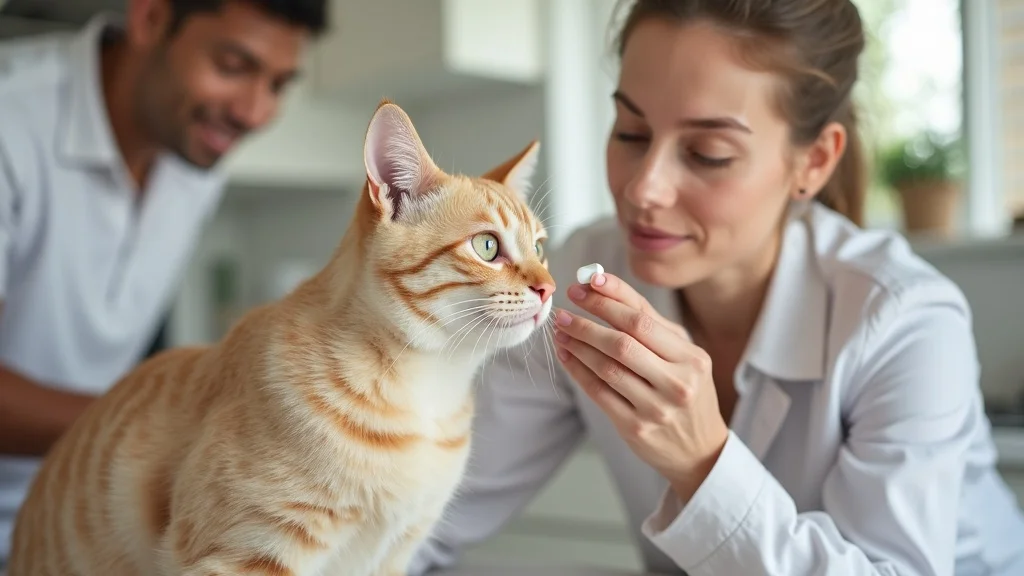
Watch a veterinary expert explain how to comfort your cat at home, administer medication safely, and recognize when to seek professional help to treat pain early and effectively.
People Also Ask: Answering Common Questions About How to Detect Pain or Discomfort in Cats
How do I tell if my cat is uncomfortable or in pain?
Recognizing if your cat is uncomfortable or in pain relies on identifying both physical and behavioral cues—such as changes in grooming, eating habits, vocalization, reluctance to move, or a shift in demeanor. Trust your observations and seek veterinary advice if concerned.
How do you assess pain in cats?
Pain assessment in cats involves watching for altered behavior, changes in appetite, litter box use, movement, and body language. Veterinarians may use pain scoring systems and check physiological signs like heart rate and respiration.
What are the red flags for cat pain?
Major warning signs include hiding, yowling, limping, avoidance of touch, rapid breathing, and sudden aggression. Any abrupt or dramatic behavior change should prompt an urgent veterinary visit.
What position do cats lay in when in pain?
Cats in pain often lay in a hunched, tense position, with legs tucked tightly beneath them and eyes half-closed or squinting. They might also appear restless, frequently shifting positions.
FAQs About How to Detect Pain or Discomfort in Cats
-
Can indoor cats develop chronic pain?
Yes, even indoor cats can experience chronic pain—from arthritis, obesity, dental issues, or old injuries. Regular observation helps spot gradual changes that indicate trouble. -
What to do if a senior cat shows signs of pain?
Make an appointment with your veterinarian right away. Early diagnosis ensures the best options for pain management and quality of life improvements for senior cats. -
Is purring always a sign of comfort?
No. Purring is also a self-soothing behavior, and cats in pain may purr to calm themselves. Always look at purring in context with other behavioral signs. -
Can dental issues cause pain in cats?
Absolutely. Dental disease is a common cause of pain in cats, leading to eating changes, drooling, foul breath, and avoiding hard food. Regular dental care is vital.
Key Takeaways: How to Detect Pain or Discomfort in Cats
- Prompt recognition of pain saves lives
- Pain in cats is often subtle and requires close observation
- Behavioral and physical changes are the most reliable indicators
- Consult your vet at the first sign of concern
Love pets as much as we do? Join our monthly newsletter for tail-wagging tips, adorable stories, and smart pet care hacks. 🐾 Subscribe now — it's paws-itively free!
https://pawpressnews.com
Understanding and recognizing the signs of pain in cats is crucial for their well-being, as felines often mask discomfort due to their instinctual behaviors. To deepen your knowledge on this topic, consider exploring the following resources:
- “Cat Pain: Signs and What to Do” (petmd.com)
This article provides a comprehensive overview of the subtle behavioral and physical indicators that may suggest your cat is experiencing pain, along with guidance on appropriate responses.
- “How to Spot if Your Cat is in Pain” (bluecross.org.uk)
This resource outlines key behavioral changes and physical signs to watch for, emphasizing the importance of early detection and prompt veterinary consultation.
By familiarizing yourself with these materials, you’ll be better equipped to identify and address potential discomfort in your feline companion, ensuring they lead a comfortable and healthy life.


Write A Comment