

Did you know that an enriched indoor cat can live up to 15 years or more? While keeping your cat indoors protects them from many hazards, it’s essential to understand that your indoor cat needs just as much mental and physical stimulation as their outdoor cousins. Without proper enrichment, even the most well-loved feline friend can become bored, stressed, or unhealthy. This in-depth guide will show you exactly how to enrich your indoor cat’s life with actionable, vet-endorsed strategies, so your furry companion stays happy, healthy, and lively for years to come!
Did You Know? An Enriched Indoor Cat Can Live up to 15 Years—Here’s How to Make It Happen
When asked, " How do I enrich my indoor cat’s life? ", many pet owners are surprised by how vital daily enrichment is to their cat’s long-term health and happiness. From regular play sessions with interactive toys to stimulating their natural instincts through puzzle feeders, every element you add counts. Cats love routine, but they crave adventure too. Only with a thoughtful mix of mental and physical stimulation can indoor cats truly thrive—often resulting in lifespans that reach or exceed an impressive 15 years. Let’s explore proven enrichment methods to ensure your indoor cat gets the most out of life.
Why Indoor Cats Require Special Enrichment: Vital Facts Every Cat Owner Should Know
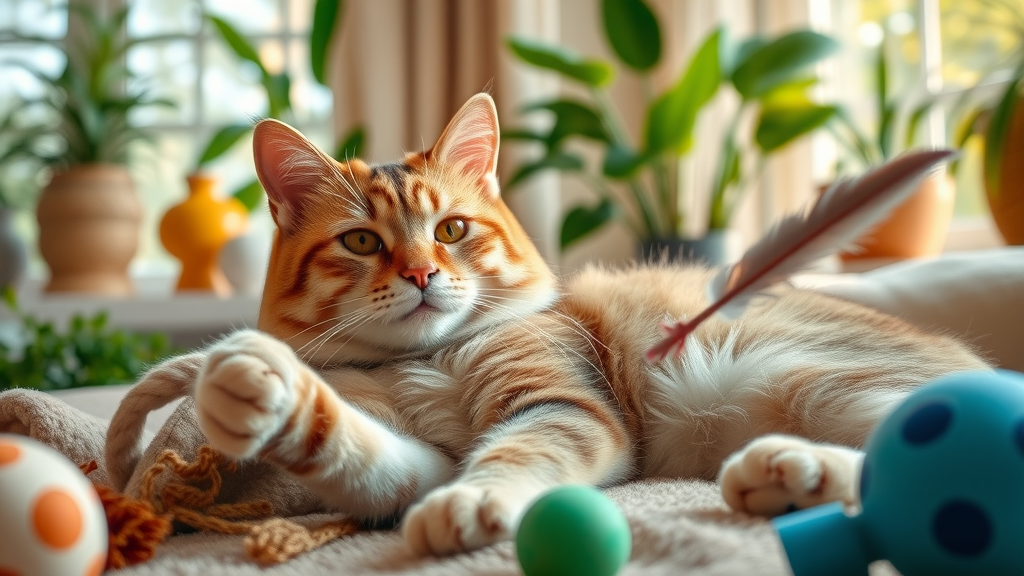
Many cat owners assume that keeping a cat indoors is enough to guarantee a happy life. However, our homes—while comfortable—rarely satisfy a cat’s hunting instincts, need for exploration, and drive for physical activity . Without proper enrichment, signs of boredom, obesity, anxiety, and even destructive behaviors can emerge. It’s essential to actively nurture your indoor cat’s mental and physical well-being, implementing strategies that mimic their natural environment and keep their senses sharp.
Understanding your cat’s innate needs is the first step. Cats are curious, agile, and intelligent creatures by nature. They’re instinctively drawn to stalk, chase, climb, and pounce, yet an indoor setting can limit these behaviors unless you provide stimulation through play, climbing, and interactive toys. A commitment to daily engagement ensures your indoor cat experiences joy, fulfillment, and reduced stress—leading to a noticeably happier feline friend.
Don’t wait to “fix” boredom once issues arise. Instead, proactively introduce safe, regular enrichment as a core part of your indoor cat’s daily life. This creates a balanced routine where both physical and mental needs are met, preventing common issues like weight gain and scratching furniture out of frustration. Your indoor cat will reward you with affection, fewer behavioral problems, and a vibrant, playful spirit.
Understanding How to Enrich the Life of Your Indoor Cat—A Comprehensive Guide
Enrichment isn’t just about buying more cat toys —it’s a holistic approach to nurturing your indoor cat’s physical, emotional, and cognitive needs. The goal is to imitate experiences an outdoor cat might encounter, such as hunting, climbing, and exploring new spaces. Using vertical spaces , puzzle feeders , and daily routines of active play gives your feline friend the mental and physical stimulation they crave.
Adding items like a cat tree or a simple cardboard box for exploration can work wonders. Rotating toys and play objects, setting up new window perches for bird watching, and providing safe objects to scratch mimic outdoor adventures. This keeps your indoor cat alert, agile, and engaged, translating to better overall health and a closer bond between you and your pet.
Routine is crucial. Cats love predictability, but they also thrive on new challenges. Try adding a new toy or changing up your kitty’s environment every week. Observe which enrichment activities excite your cat most—then use those as the foundation for a lively, stimulating home. Taking a comprehensive approach to enrichment is simple, rewarding, and essential for any dedicated cat owner.
Core Benefits of Enrichment for Indoor Cats
- Improved physical health and longevity
- Stronger bonds with your feline friend
- Reduced stress and destructive behaviors
- Mental stimulation for happier cats
Integrating daily enrichment into your indoor cat’s life does far more than simply keep your cat occupied. Routine physical activity enhances your cat’s cardiovascular health and weight management, potentially adding years to your pet’s life. Meanwhile, regular interactive play sessions not only strengthen your relationship with your feline friend but also allow for early detection of behavioral or health changes.
Enrichment lowers stress, helping reduce anxiety-driven issues like scratching, spraying, or overeating. By consistently keeping your cat’s mind busy with cognitive puzzles, new smells, and different textures, you also prevent boredom and the destructive tendencies that so often stem from it. In short, investing in enrichment means fewer messes—and a more peaceful, vibrant home for you both.
Top 10 Proven Ways for How Do I Enrich My Indoor Cat’s Life?
Wondering where to start with indoor cat enrichment? Here are the ten most effective, science-backed techniques to boost your cat’s happiness, health, and longevity indoors. By blending active play , mental stimulation , and environmental enhancements, you’ll set your indoor cat up for endless adventure—no matter the square footage!
Ready to transform your home into a cat playground? Explore these proven approaches and watch your indoor cat’s curiosity and zest for life reach new heights.
Interactive Play: Elevating Your Indoor Cat’s Routine
- Wand toys and feather teasers
- Laser pointers (supervised)
- Scheduled daily play sessions
- Rotating interactive toys
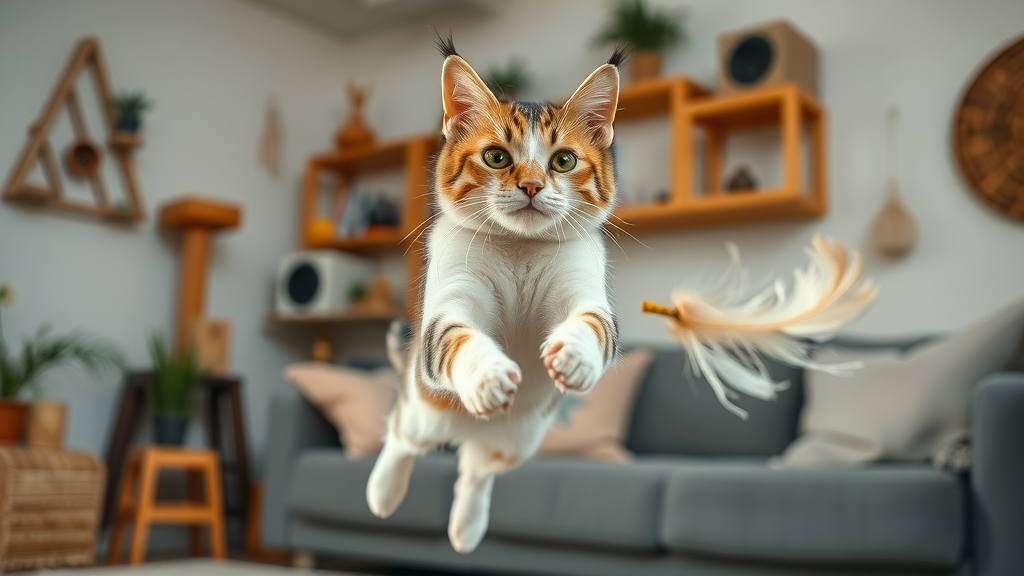
Interactive play is one of the best ways to provide physical and mental stimulation for your indoor cat. Choosing a mix of cat toys —from wand toys to balls and feather teasers—triggers their natural instincts to stalk, chase, and pounce, replicating the thrill of the hunt safely indoors. Schedule several play sessions each day with different interactive toys. This not only burns energy, but also prevents boredom and behavioral issues.
Don’t forget tools like the laser pointer for a burst of cardio—just be sure to end with a toy your cat can physically catch to avoid frustration. Rotating toys keeps your cat interested, preventing them from getting bored of the same old activities. Even a five-minute daily commitment goes a long way for your feline friend’s overall well-being.
"A bored cat is a recipe for mischief. Daily interactive play is essential for indoor cats to thrive." – Feline Behavioral Specialist
Puzzle Feeders and Treat Dispensers: Brain Teasers for Indoor Cats
- Puzzle feeders for meal time enrichment
- Treat dispensing balls
- Food mazes and slow feeders
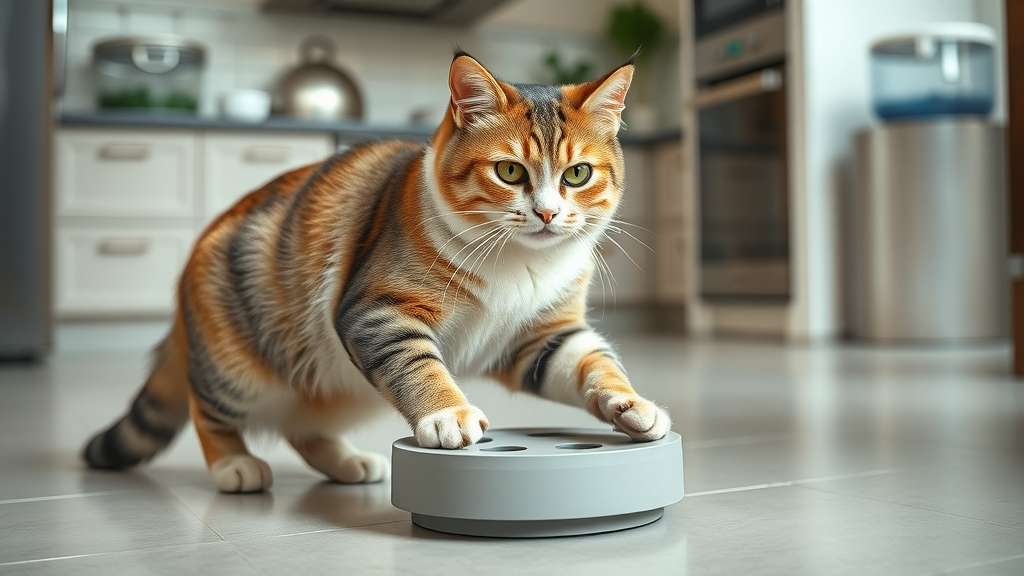
Mental enrichment is just as crucial as physical play for your indoor cat. Puzzle feeders and treat dispensers harness your cat’s curiosity and hunting instincts. These ingenious devices transform meal times into stimulating games, where your cat must “hunt” for their food by solving a puzzle or batting a ball. This slows down eating, aids digestion, and keeps your cat engaged.
Commercial options abound, but even a simple homemade food maze can serve as a rewarding brain challenge. Try hiding small amounts of kibble in various compartments or invest in treat dispensing toys that roll and wobble, requiring active problem solving. Every time your indoor cat works for their meal or treats, they sharpen their mind and expend extra energy—benefits that lead to a calmer, happier home.
Vertical Space: Climbing and Perching for a Satisfied Feline Friend
- Cat trees and multi-level towers
- Window perches and shelves
- DIY climbing walls
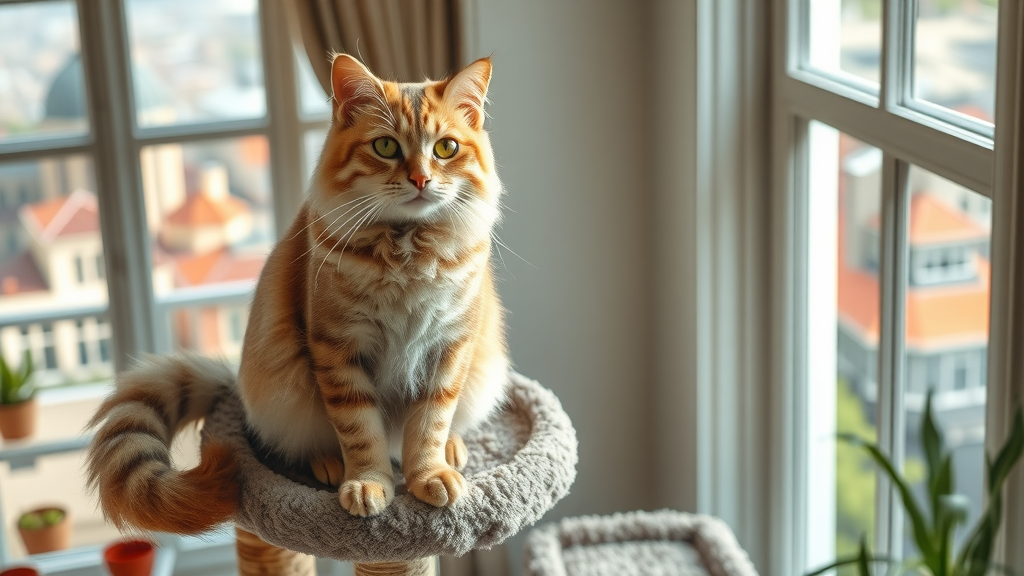
Cats naturally love to climb and observe their territory from above. Adding vertical space is vital for indoor cat enrichment. Multi-level cat trees , floating shelves, and window perches encourage exercise, exploration, and secure resting spots—all of which mimic the environment wild cats seek in the outdoors.
Give your feline friend choices: a tall cat tree for scratching, perching, and leaping; a perch near a window for hours of bird and squirrel watching; and wall-mounted shelves or DIY climbing walls for more adventurous climbers. By utilizing the “up” space in your home, you create a layered playground that fulfills your indoor cat’s natural need for variety and adventure.
Best Enrichment Products for Indoor Cats—Our Top Picks
| Product | Type | Best For | Price Range |
|---|---|---|---|
| Interactive Toy Wand | Active Play | Energy Burn, Bonding | $$ |
| Cat Puzzle Feeder | Puzzle Feeder | Mental Stimulation | $$ |
| Tall Cat Tree | Vertical Space | Climbing & Lounging | $$$ |
| Treat Dispenser | Treat Dispenser | Solo Engagement | $ |
When selecting enrichment tools for your indoor cat, consider their personality and needs. Active cats may prefer interactive toys and vertical spaces , while cuddlers gravitate towards cozy perches or cat grass. Rotating these products ensures hours of safe, fun stimulation all year round.
Natural Instincts: Satisfying Your Indoor Cat's Hunting and Exploration Needs
Even the most pampered housecat retains strong natural instincts to explore, hunt, and observe their world. Satisfying these urges doesn’t require letting your cat outside; it just means getting creative with indoor cat enrichment . Bringing the outdoors in—safely—keeps your cat’s senses sharp and their spirit bright.
Simulate the Great Outdoors Indoors
- Window watching spots
- Cat-safe plants and cat grass
- Hide-and-seek treat puzzles
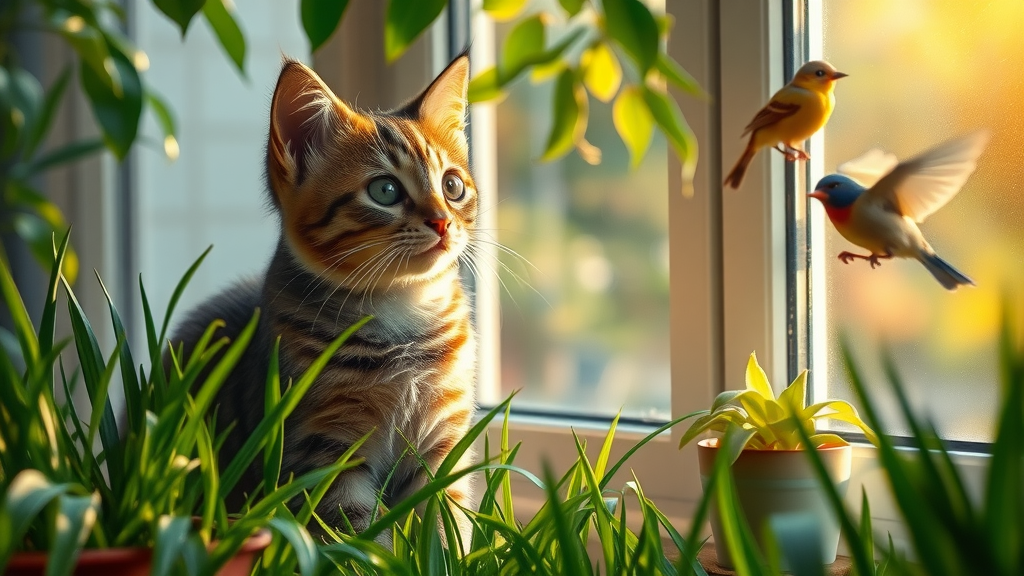
Set up a window perch to create the ultimate cat “TV”—complete with a view of birds, squirrels, or even a well-placed bird feeder outside. These visual enrichments keep indoor cats engaged and connected with their outdoor environment, minus the dangers. Add pots of cat grass or other safe plants to satisfy your cat’s urge to chew greens, while providing fresh air and new scents.
Hide treats around the house for your cat to discover. This treasure hunt for kibble or favorite snacks eclipses even the best cat toys for stimulating your cat’s mind. The goal: make your home a safe haven for exploring, climbing, and hunting “prey,” fulfilling your indoor cat’s deepest natural instincts.
DIY Activities for Enriching Your Indoor Cat’s Life
- Homemade puzzle feeders
- Paper bags and boxes
- Scent enrichment using safe herbs like valerian or silver vine
You don’t need to break the bank to provide quality enrichment. Simple DIY projects like filling a cardboard box with holes or tossing a paper bag on the floor captivate cats’ curiosity. Fill these with treats or toys for hours of self-guided fun. Scatter safe herbs such as valerian or silver vine around play spaces for exciting, novel scents.
Be creative—rotate household objects and craft new hiding places or obstacle courses. Even a tense ball of foil or a puzzle toy from a plastic bottle becomes a source of delight. Remember, the key is variety, not expense.
"Enrichment isn’t about expensive toys—it's about variety and daily investment in your cat’s world."
Companionship for Your Indoor Cat: The Importance of Social Interaction
Cats often get labeled as “independent,” but they still crave social contact—especially when living indoors. Human companionship, or that of another respectful pet, is a vital form of enrichment that guards against loneliness and anxiety.
People, Pets, and Play—Fostering Social Health for Indoor Cats
- Interactive play with humans
- Multi-cat households
- Cat-safe playdates
Whether it’s a regular play session with you, or a gentle, supervised interaction with another cat or patient dog, social engagement helps indoor cats build confidence, burn energy, and refine their “cat manners.” Develop routines of affection, play, and gentle handling from kittenhood to reinforce trust and reduce stress.
Consider the temperaments of all pets before scheduling playdates, and always supervise initial interactions. Many indoor cats thrive with a friend, but each situation is unique. What matters is your commitment to mindful, quality time—every day.
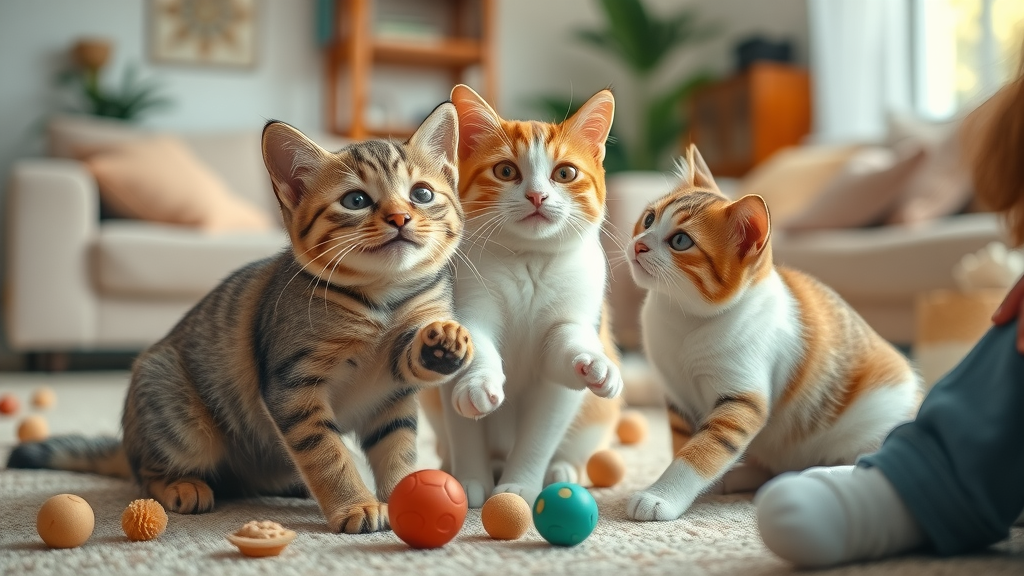
Mental Stimulation for Indoor Cats—Keeping Minds Sharp and Engaged
Much like people, cats need mental fitness to be happy and healthy. Interactive toys, puzzle feeders , and learning new tricks offer essential cognitive challenges that tame boredom and inspire creative problem solving.
Games and Cat Toys for Mental Engagement
- Electronic cat toys
- Rotating toy selection
- Interactive treat dispensers
Choose toys that move unpredictably or require input from your cat, such as battery-operated mice or treat-dispensing gadgets. Rotating your cat’s toy selection weekly keeps things fresh and prevents “toy fatigue.” Incorporate puzzle toys and dispensers to blend playtime with snack time, keeping your cat guessing and engaged.
The act of “solving” these challenges provides necessary mental exercise, making daily routines exciting and preventing cognitive decline with age.
Training and Learning New Tricks
- Clicker training
- Leash training for adventures
- Teaching paw and hi-five
Think cats can’t be trained? Think again. Positive reinforcement and clicker training help your indoor cat learn tricks, problem-solve, and even enjoy activities like leash walking (inside or in a secured yard). Try teaching simple commands like “sit,” “high five,” or “come.”
Training sessions double as enrichment and strengthen your bond with your feline friend. Always use gentle encouragement, treats, and lots of patience. With time, your cat will blossom under the mental and physical stimulation you provide.
Lifestyle Modifications: Tips to Increase Your Cat’s Lifespan
Providing the right enrichment is just one pillar of ensuring a long, healthy life for your indoor cat. Smart lifestyle choices—particularly in diet, exercise, and preventive health care—make a measurable difference.
Diet & Exercise: Non-Negotiables for Every Indoor Cat
- High-protein, species-appropriate diet
- Daily exercise routines
- Weight management
Feed your cat a species-appropriate diet rich in animal protein to support muscle, bone, and immune health. Avoid high-carb fillers and keep an eye on portion size to prevent obesity. Regular active play sessions are key; they help maintain a healthy weight and provide vital physical stimulation.
Monitor your cat’s fitness through play, not just by watching their food intake. Even older cats benefit from gentle exercise, and integrating food puzzles helps slow eating and sharpen instinctive behaviors.
Routine Vet Care and Preventive Health
- Annual check-ups
- Parasite control
- Dental hygiene
Routine vet visits are crucial for detecting health issues before they become serious. Keep vaccines current, protect against parasites even indoors, and ask your vet about dental health—a common but overlooked aspect of preventive care for indoor cats.
Add in daily brushing, regular claw trims, and frequent health checks at home to round out your cat’s preventive care routine. When combined with daily enrichment, these habits can extend your cat’s happy, healthy years far into the future.
People Also Ask: Your Top Indoor Cat Enrichment Questions Answered
How to enrich the life of an indoor cat?
- Engagement with interactive play
- Providing vertical space
- Daily mental stimulation through puzzle feeders
- Offering companionship and a stimulating environment
The best way to enrich the life of an indoor cat is to provide a variety of daily interactive play sessions and rotating cat toys . Make use of vertical space, such as shelves or cat trees, and provide puzzle feeders to challenge your cat’s mind. Regular companionship and a dynamic environment are also essential for keeping your indoor cat happy and fulfilled.
What is the best enrichment for indoor cats?
- Interactive toys
- Vertical climbing spaces
- Rotating play objects
- Food puzzles
The best enrichment for indoor cats involves a balanced mix of engaging interactive toys , ample vertical climbing spaces like cat trees or wall-mounted shelves, frequent introduction of new play objects, and stimulating puzzle toys or food puzzles. Change things up often to prevent boredom and watch your cat thrive!
How can I increase my cat's lifespan?
- Balanced nutrition
- Mental and physical stimulation
- Consistent veterinary care
- Indoor safety
You can increase your indoor cat’s lifespan by sticking to a balanced, high-quality diet, ensuring daily mental and physical stimulation, maintaining routine vet visits, and providing a secure, hazard-free indoor environment. Combined, these prevent common health issues and enrich your cat’s life at every stage.
How do I keep my indoor cat mentally stimulated?
- Puzzle toys
- Trick training
- Scheduled playtime
- Sensory enrichment activities
Keep your indoor cat’s mind sharp by using puzzle toys for everyday feeding, introducing trick training sessions, and varying daily playtime with new interactive objects or sensory activities. These challenges foster curiosity, prevent boredom, and promote a lively, adaptable feline friend.
What You’ll Gain from Enriching Your Indoor Cat’s Life
- A happier, healthier cat
- Fewer behavioral problems
- Deeper bond with your feline companion
By proactively answering the question, " How do I enrich my indoor cat’s life? ", you set yourself and your cat up for success. You’ll notice a brighter, more playful demeanor, stronger connection, and fewer troublesome behaviors. Invest in daily enrichment, and your indoor cat will thank you with years of loyal, loving companionship.
Frequently Asked Questions on How Do I Enrich My Indoor Cat’s Life?
- What toys work best for keeping indoor cats active? – Toys that move unpredictably (like wand toys, puzzle feeders, and treat balls) stimulate hunting instincts and promote exercise.
- How often should I rotate my cat’s toys? – Weekly rotation helps prevent boredom and keeps play sessions exciting.
- What household items make safe enrichment tools for cats? – Items like cardboard boxes, paper bags, and crumpled paper can be endlessly entertaining (always supervise for safety).
- Is it safe to teach my cat to walk on a leash indoors? – Yes! With positive reinforcement, leash training indoors can be safe and mentally stimulating for curious cats.
Expert Recommendations: Quotes from Feline Veterinarians and Animal Behaviorists
"The simplest changes to your routine can transform your indoor cat’s quality of life—don’t underestimate daily play and mental challenges."
Watch our step-by-step guide: See how to set up cat trees , design climbing walls , use puzzle feeders , and create cozy perches—all with real-life footage of indoor cats blooming in their enriched world. (Video features visual instructions and expert tips for every skill level.)
Step-by-Step Visual Guide to Setting Up the Ultimate Indoor Cat Playground
Get inspired: follow along as we transform living spaces into safe, interactive feline paradises. Learn how every corner, shelf, and window can spark your cat’s curiosity and deliver lasting enrichment.
DIY Puzzle Feeder Demonstration for Interactive Playtime
Curious how to make a puzzle feeder at home? Our short video will show you how to craft simple DIY feeders from everyday objects, giving your indoor cat hours of entertainment and mental challenge with each meal.
Want More Playful, Happy Indoor Cats? Subscribe for Monthly Tips and Treats!
- 🐾 Love pets as much as we do? Get the best tips, treats, and tail-wagging stories delivered monthly. 👉 Subscribe to our newsletter and never miss a bark or purr!
- 📧 One email. All the value. Join thousands of pet parents who get our monthly roundup of pet care tips, product reviews, and giveaways.
Take a few minutes each day to enrich your indoor cat’s world—your happy, healthy, and playful companion will be the best reward you can imagine!
To further enhance your indoor cat’s environment, consider exploring the following resources:
-
“The Best Indoor Cat Enrichment Ideas: Toys, Puzzles, and More” ( bestfriends.org )
-
“Cat Behavior and Training - Enrichment for Indoor Cats” ( vcahospitals.com )
These articles provide comprehensive strategies and insights to keep your feline friend mentally and physically stimulated.


Write A Comment