

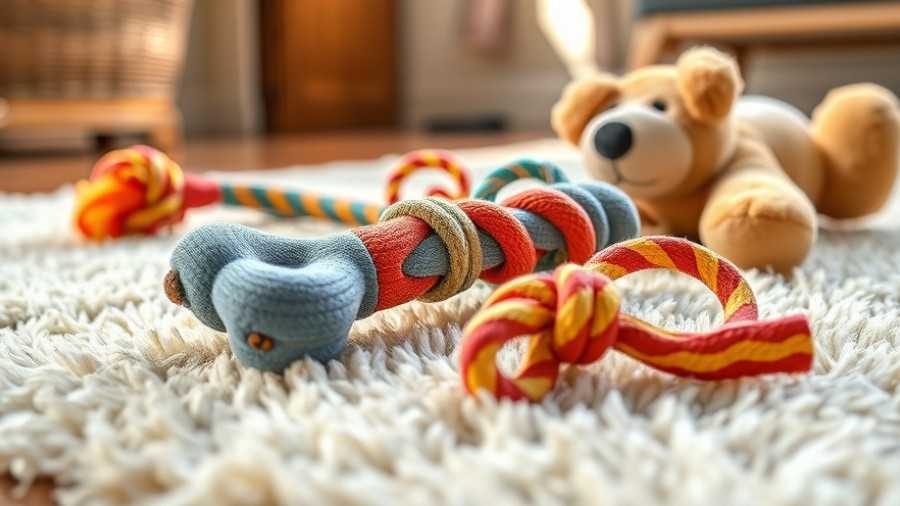
Understanding Dog Chew Toy Hazards
Every pet owner desires a healthy, happy furry friend, but selecting the right chew toy is crucial for ensuring safety. The wrong choice can potentially lead to choking, dental fractures, and intestinal blockages. In recent years, serious health risks have arisen from toys made with harmful materials or inadequate safety standards. For example, multiple reports to the FDA have cited illnesses linked to treats produced overseas, particularly those made in China. This highlights the importance of knowing where pet products come from and how they are manufactured.
Toxic Materials in Pet Toys: What to Avoid
Many seemingly innocent chew toys harbor toxic materials that can be harmful to pets. Items made of PVC and phthalate can release harmful chemicals during prolonged use, while BPA disrupts the endocrine system over time. Shockingly, lead paint—often from unregulated manufacturers—poses neurological risks, while formaldehyde can cause skin irritations and respiratory issues. Even chromium and cadmium, frequently found in various plastics, can lead to severe, long-term health complications.
How Size Matters: Safety for Different Breeds
It's critical for dog owners to match chew toy sizes accurately to their pets. A toy that's appropriate for a small dog could be a choking hazard for a larger breed. The American Kennel Club advises toys that don’t fit entirely inside a dog’s mouth, ensuring a safety margin. For example, tennis balls can pose serious choking risks for larger breeds, while small dogs may struggle with oversized toys that lead to jaw strain and misalignment. Knowing the width of your dog’s mouth can allow for informed purchases that prevent size-related emergencies.
Aggressive Chewers: Special Considerations
Aggressive chewers can break off pieces of chew toys in a matter of minutes, creating choking hazards or causing internal injuries. Pet owners should observe their dogs closely, especially during the initial fifteen minutes with a new toy. This extra vigilance can prevent critical incidents when pets start gnawing on a new item. Products like rope toys, which wear down quickly, can produce loose fibers that lead to serious complications if swallowed.
Smart Choices for Dog Chew Toys
Choosing the right chew toy involves understanding your dog's specific chewing needs. Dogs with strong jaws often destroy toys made from softer materials. Durable options should be high on the list of features when considering new chew toys. Experts recommend selecting chew toys made of natural materials devoid of harmful additives or chemicals. Furthermore, it’s wise to supervise your dog's chewing sessions to catch any potential hazards early.
Red Flags: When to Replace Toys
Keeping an eye out for signs of wear and tear is essential. Discontinue use of any chew toy that shows blood stains, missing pieces, or sharp edges. Even toys that feel too hard—those you can't bend with a fingernail—can crack teeth. Squeakers exposed after fabric tears pose ingestion risks, turning what was once a favorite toy into a potential hazard. If your dog repeatedly drools, paw at their mouth, or refuses to eat after playing with certain toys, it may indicate serious injury.
Future of Dog Chew Toys: What to Expect
The dog toy industry is evolving, with many manufacturers focusing on producing safe, durable, and eco-friendly options. As consumers increasingly demand higher quality, more innovative materials are being developed—moving away from plastics and towards natural, sustainable alternatives. These advancements will not only protect pets but also benefit the environment.
Your Next Steps: Embracing Safe Chewing
Understanding how to safely choose and manage chew toys can significantly enhance your dog's quality of life while maximizing your peace of mind as an owner. Are you ready to take action? Consider evaluating your dog's current toys and replace any that don't meet safety standards. By fostering a safer play environment, you can help your furry friend enjoy healthy chewing without compromising well-being.


Write A Comment