
Add Row
Add Element
Paw Press News
update

cropper
update
Add Element
  • Home
  • Categories
    • Training
    • Health
    • Nutrition
    • Behavior
    • Grooming
    • Gear
    • Toys
    • Lifestyle
    • Travel
    • Adoption
    • Stories
June 25.2025
3 Minutes Read

Essential Guide for Dog Parents: When to Bathe Your Puppy Safely

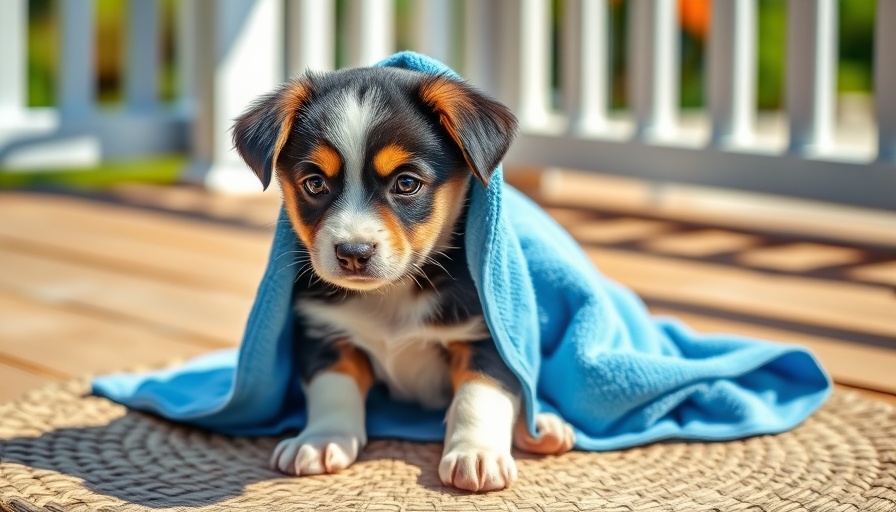
Adorable puppy wrapped in blue towel, when to give a puppy a bath

When's the Right Time to Bathe Your Puppy?

As new dog parents, you might be eager to give your puppy a clean bath as soon as you bring them home. However, understanding the appropriate time to introduce bathing is crucial. Vets generally recommend waiting until puppies reach at least 8 weeks of age for their first bath. Before this age, puppies are still developing the ability to regulate their body temperature and maintain warmth. Bathing them prematurely can expose them to several risks, including hypothermia and stress.

Understanding the Risks of Early Bathing

Bathing puppies younger than 8 weeks can not only lead them to a shockingly cold experience but also puts them at risk for various health issues. Puppies rely on their mothers and littermates for warmth, and a sudden drop in temperature post-bath can make them susceptible to illnesses. Also, there is the danger of water inhalation if they are not steady on their feet, and extreme stress levels can affect their mental well-being, possibly leading to fears associated with bath time in the future.

Effective Cleaning Methods for Young Puppies

Until your pup is old enough for a bath, it's essential to find gentle alternatives to keep them clean. You can use a warm, damp washcloth to wipe away dirt or mess, paying extra attention to areas that need sanitation. Puppy wipes specifically designed for this purpose can also come in handy. These methods ensure that your furry friend remains cuddle-safe without the risks that come with bathing.

What Happens After 8 Weeks?

Once your puppy is 8 weeks old, you can start introducing them to regular bath times. Early exposure to baths will help them become familiar with the experience, making it less frightening as they grow. Consistency is key; puppies who are bathed regularly as they mature become more accustomed to the process, so it’s always a good idea to gently ease them into bath time.

How Often Should You Bathe Your Puppy?

Bath frequency can vary depending on your puppy's breed, lifestyle, and skin condition. Generally, bathing every three months is standard for most breeds, unless they get dirty more frequently due to play. Be sure to talk with your vet about the ideal schedule for your furry companion, and always seek products designed specifically for puppies to avoid skin irritations.

Bathing Steps to Follow

Once you’re ready to give your puppy a bath, you can follow these straightforward steps to ensure a smooth experience:

  • Gather all necessary supplies, including puppy shampoo, towels, and a non-slip mat.
  • Use lukewarm water to fill a basin or tub.
  • Gently wet your puppy’s coat, starting from the neck down.
  • Apply a small amount of puppy shampoo, avoiding the eyes and ears.
  • Rinse thoroughly, ensuring no soap residue is left.
  • Dry your puppy with a towel, keeping them warm throughout the process.

Bathing can become a bonding experience for you and your puppy! With the right approach, it can feel like playtime rather than a chore.

Products That Can Enhance Bathing

Selecting high-quality products can make a world of difference during bath time. Look for shampoos and conditioners specifically formulated for puppies. Products infused with natural ingredients like oatmeal and aloe can soothe the skin and improve coat health without causing irritations. Our favorites include hydrating formulas that cleanse gently.

The Emotional Connection: Puppy Bathing and Bonding

For many dog owners, bath time isn’t just about cleanliness; it’s a unique bonding opportunity. Puppies often enjoy the attention they receive during a bath, which can foster a stronger relationship with their pet parents. This shared experience can reduce anxiety around water and create a loving routine that both you and your furry friend will look forward to.

Taking care of your puppy's hygiene is an essential part of responsible pet ownership. Understanding when and how to bathe your puppy ensures that they grow up healthy and happy. Don’t hesitate to reach out to your vet if you have concerns about your puppy's bathing routine or skin health!

Grooming

45 Views

0 Comments

Write A Comment

*
*
Related Posts All Posts
12.06.2025

Essential Guide to Caring for Your Dog’s Paws at Home

Update Protect Your Pup's Paws: Why Dog Paw Care is Essential As devoted dog owners, we often overlook the wear and tear that our pets' paws endure daily. Just like a runner who needs to care for their feet, our furry friends' paws require regular attention and protection from the elements and various risks they encounter outdoors. Proper dog paw care can prevent painful issues and ensure that your pet remains active and happy. Understanding the Vulnerability of Dog Paws Dog paw pads are intricate structures designed to absorb shock, provide insulation, and offer traction while protecting their bones and joints. These pads are covered with a relatively thin layer of skin that can be sensitive to hot surfaces, ice, chemical de-icers, and allergens that may become trapped between their toes. When these protective layers are compromised, it leads to various health issues, such as infections or painful abrasions. Signs of Paw Distress to Watch For Preventative care is crucial for maintaining your dog’s paw health. Watch for signs of distress, like excessive licking, limping, or visible redness and swelling. These can signal allergies or possible injuries that require immediate veterinary attention. Being proactive allows you to address potential problems before they escalate. Seasonal Hazards for Your Dog's Paws Different seasons bring unique challenges for dog paw health. In winter, sidewalk salt and ice can cause burns and irritation. Summer presents the potential for burns from hot asphalt, which can reach temperatures hot enough to damage tender paw pads. Each season demands a different strategy for protecting those precious paws. Daily Care Routines for Healthy Paws To keep your dog's paws in top condition, establish a daily routine focused on cleaning and maintenance. Here are some simple steps to integrate into your day: Rinse After Walks: Rinse your dog’s paws with lukewarm water after walks to remove any salt, debris, or chemicals that can accumulate between their toes. Examine for Foreign Objects: Regularly check for stuck debris, engorged hair, or injuries while you dry their paws with a microfiber towel. Nail Trimming: Keep your dog’s nails trimmed every two to three weeks to prevent changes in their gait and reduce joint pressure. Paw Balms and Booties: Consider applying a dog-safe paw balm for added protection. When heading out in harsh weather, dog boots can provide an additional layer of defense. Navigating Environmental Risks Awareness is key to safeguarding your dog's paws against environmental threats. From chemical de-icers in winter to grass pollen in spring, your dog’s paws can be exposed to various harmful agents. After every walk, a simple wash can eliminate accumulated irritants and decrease the likelihood of skin issues related to allergens. Nutritional Support for Paw Health Healthy paws are not just the result of external care; nutrition plays a critical role. A diet rich in omega-3 fatty acids, zinc, biotin, and vitamin E contributes to skin and paw health, fostered through whole foods or supplements. Consult with your veterinarian about the best nutritional strategies to support your dog’s overall wellness. Conclusion: Take Action for Your Dog's Paw Health By being proactive about your dog’s paw care, you can help ensure they lead a joyful and active life. Commit to regular maintenance, pay attention to signs of distress, and understand the risks posed by seasonal changes. Your furry friends depend on you. Don’t wait for things to go wrong; start a dedicated paw care routine today! For more tips on how to raise a healthy, happy pup, check out our related articles on dog care and grooming!

11.28.2025

Mastering Dog Nail Care: Essential Tips for Home Trimming

Update The Importance of Regular Nail Care Nail trimming may not be at the top of your to-do list as a dog owner, but it is a critical aspect of your furry friend's overall health and wellness. Neglecting your dog’s nails can lead to painful overgrowth, difficulty walking, and in serious cases, injury. Regular nail care helps prevent these issues, ensuring your dog stays comfortable and active. Understanding Dog Nail Anatomy To trim your dog’s nails safely, it’s essential to understand their anatomy. Each nail consists of two main parts: the outer nail (the hard shell) and the quick (the sensitive inner part containing blood vessels and nerves). Light-colored nails make identifying the quick easier, appearing as a pink triangle. For dark nails, you need to examine them closely as the quick is less visible. Veterinary studies indicate that the quick extends about two-thirds into the nail, leaving only the outer third for safe trimming. Signs Your Dog Needs a Trim How do you know when it’s time for a trim? Look for key signs such as: Nails clicking on hard surfaces Curving nails that touch the ground Changes in your dog’s walking behavior, such as limping or favoring certain paws By regularly checking your dog's nails, ideally every few weeks, you can address any issues early and avoid the discomfort of overgrown nails. Selecting the Right Tools for the Job When it comes to trimming your dog’s nails at home, the right tools make all the difference. Professional-grade clippers, such as the Millers Forge Professional Nail Clipper, are favored by veterinarians due to their sharpness and durability. Smaller dogs can use safety stop clippers that prevent overcutting. Additionally, nail grinders, such as Dremels, offer a smooth finish and are often preferred by anxious dogs, as they reduce the sudden snap associated with clippers. Preparing for a Successful Trim To get your dog comfortable with nail trimming, make it a part of their regular routine. Handle their paws gently and offer treats to associate positive feelings with nail care. Start by letting them sniff the clippers before moving on to light touches with the tool, eventually leading to an actual trim. This gradual acclimatization can help alleviate fear and anxiety, making the process smoother for both you and your dog. The Benefits of Nail Grinding Nail grinders provide distinct advantages over traditional clippers. They allow for greater control and can be used to gently smooth any rough edges after clipping. This method can also help get closer to the quick without causing pain, which is particularly useful for dogs with long quicks. Just be sure to keep the grinder speed below 15,000 RPM to avoid friction burns. Common Mistakes to Avoid Many dog owners make the mistake of cutting nails too short, which can injure the quick and lead to bleeding. Always aim to trim just the tip of the nail. If you’re unsure, it’s better to err on the side of caution and trim less, gradually working your way down with each session. Keeping styptic powder handy can help stop bleeding in case of an accident. Conclusion: The Path to Happy, Healthy Nails A regular nail trimming schedule is essential to your dog’s comfort and mobility. By understanding your dog's nail anatomy and growth patterns, using the right tools, and creating a positive environment around nail care, you can maintain your pet's health and happiness. Take action today: start implementing these tips, and watch your dog's comfort improve with each session!

11.16.2025

Transform Your Dog's Nail Care Experience with Safe Clippers

Update Mastering Nail Trimming: The Key to Happy Paws For many dog owners, the thought of trimming their furry friend’s nails can stir up anxiety. But fear not! With the right tools and techniques, keeping your dog’s nails at a healthy length can be a stress-free routine. Nail care is not just about aesthetics; it plays a crucial role in your pet’s overall health and comfort. Selecting the Right Nail Clippers Tailored for Small Dogs When it comes to nail clippers, not all tools are created equal. For small breeds, clippers designed specifically for nails measuring less than 3mm in diameter can make a significant difference. The JW Pet Grip Soft Deluxe Clipper has earned accolades as the ideal choice due to its nonslip handle and precision stainless-steel blades that ensure clean cuts every time. In contrast, models designed for larger breeds, such as the Andis Pet Nail Clipper, often fall short on precision and control for smaller paws. Moreover, you’ll find two dominant safety guard designs in the market: the metal bar system and adjustable guards. The metal bar acts as a quick sensor, preventing cuts beyond a safe point, while adjustable guards allow you to define the exact cut length—perfect for tiny nails! Choosing the right model with features like retractable safety locks, spring-loaded handles, and stainless-steel blades ensures both comfort for your pet and ease of use for you. Preparing Your Dog for a Nail Trim As any seasoned pet owner knows, establishing a calm environment is essential before you start clipping. Timing matters; aim to trim nails after a play session when your dog is more relaxed. Use a non-slip surface—like a grooming table or even your lap—to hold your dog securely without extra stress. While holding their paw gently, apply pressure to extend the nail and ensure the safety guard is perfectly positioned for a controlled cut. Understanding the Anatomy of a Dog’s Nail It’s vital to recognize the quick inside the nail—this living tissue contains blood vessels and nerves. For light-colored nails, you can easily spot the pink quick. For dark nails, look for a chalky white ring that indicates your safe cutting zone. Always aim for small snips rather than larger cuts to prevent hitting the quick, which can lead to painful cuts and bleeding. Key Techniques for Successful Nail Trimming As you prepare for nail trimming, patience is your best ally. Many wonderful dog grooming professionals suggest introducing nail clippers as a positive experience. Make it fun by rewarding your dog with treats, and consider combining the task with calming tactics like gentle petting or soothing words. Try to handle your dog’s paws from an early age to foster comfort with the process. The goal is for your dog to associate nail trimming with love and rewards, making the task easier over time. What to Do If Things Don’t Go as Planned Even with the best intentions, not every session goes smoothly. Never churn out nail trims in one go. Take breaks if your dog becomes anxious. You want to create a positive environment, so if you find your furry friend is stressed, it may be best to stop for the day and try again later. Remember: your calmness is key to helping your pup relax. Consider Professional Help When Needed If nail trimming still proves to be a daunting task, don't hesitate to consider professional groomers. They come equipped with expertise and often know how to manage anxious pups. Plus, regular visits to a groomer not only help maintain your pup’s nails but can also provide other grooming services to keep your furry friend looking fabulous! Moreover, take advantage of tools like nail grinders, which some dogs prefer over clippers due to their smooth and controlled application. It’s All About Creating Positive Experiences In concluding your nail-trimming mission, remember that regular nail maintenance is vital. By ensuring you take the time to use the right tools, techniques, and methodology, you will promote better health for your dog. Each positive experience leads to more relaxed trimming sessions in the future. So gear up, stay positive, and relish in the reward of well-groomed nails! When it becomes part of your routine, you will witness the positive transformations in your dog's comfort and well-being. Ready to elevate your dog’s grooming routine? Don’t forget to explore the awesome selection of small dog nail clippers with safety guards available online, and choose the one that suits your pup best!

Terms of Service

Privacy Policy

Core Modal Title

Sorry, no results found

You Might Find These Articles Interesting

T
Please Check Your Email
We Will Be Following Up Shortly
*
*
*