
Add Row
Add Element
Paw Press News
update

cropper
update
Add Element
  • Home
  • Categories
    • Training
    • Health
    • Nutrition
    • Behavior
    • Grooming
    • Gear
    • Toys
    • Lifestyle
    • Travel
    • Adoption
    • Stories
July 24.2025
3 Minutes Read

Dogs Detect Parkinson’s Disease with Stunning Accuracy: What Dog Parents Need to Know

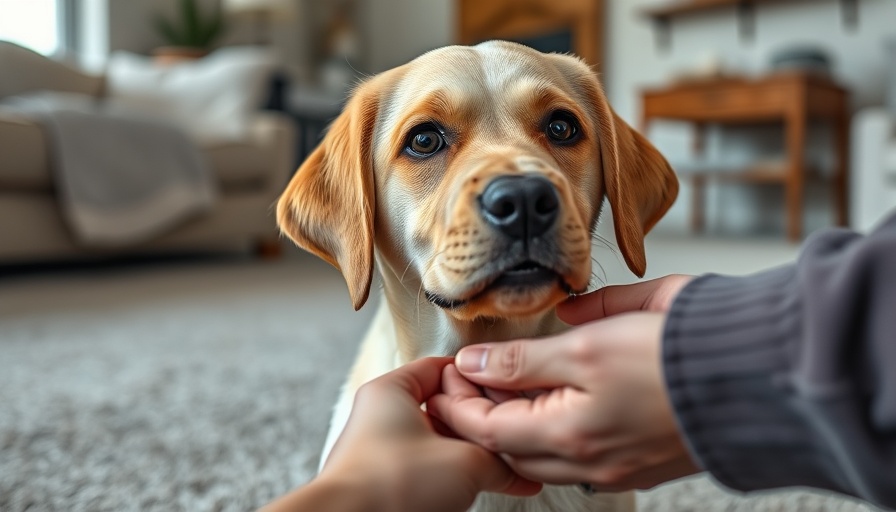
Labrador retriever sniffing human hand, detecting Parkinson’s disease.

Trained Dogs Uncover Hidden Signs of Parkinson’s Disease

In a groundbreaking study, researchers revealed that trained dogs exhibit remarkable accuracy in identifying Parkinson's disease, showcasing their potential as early detection agents. This rare ability holds promise particularly for individuals who may be unaware of their condition until visible symptoms emerge long after biological changes have begun.

Understanding Parkinson’s Disease

Parkinson’s Disease is a progressive neurological disorder, characterized by symptoms such as stiffness, tremors, and balancing difficulties that worsen over time. It remains a significant health challenge as there is no definitive early diagnostic test. Symptoms can often manifest 20 years before an official diagnosis occurs, making early detection crucial for effective management.

The Role of Dogs in Early Detection

According to a study published in The Journal of Parkinson's Disease, advanced dog training revealed that canines can potentially sniff out Parkinson’s as early as before the physical signs appear. Researchers noted that an early symptom of the disease is seborrheic dermatitis, a condition leading to excess sebum production on the skin. This oily biofilm appears to emit a distinctive odor, which dogs are highly skilled at detecting.

Promising Results from the Study

In a carefully designed double-blind study, trainers worked with dogs to identify which skin samples contained biomarkers of Parkinson's disease. Out of ten dogs, two mastered the challenging training regimen. Once tested, the dogs achieved an impressive 98% accuracy rate, alongside 70-80% sensitivity to skin samples potentially associated with the disease. While more research is needed, these findings indicate a valuable path toward developing non-invasive diagnostic options for Parkinson’s.

Could Dogs Detect Other Diseases?

Dogs are known for their extraordinary olfactory capabilities, which extend far beyond Parkinson’s disease. Research shows that these remarkable animals can also identify various other health conditions, including cancer and diabetes, through scent. They might even be able to detect diseases like malaria and COVID-19. It's fascinating to imagine how our canine companions could play a role in future health monitoring.

The Future of Parkinson’s Research and Canine Contributions

As we advance our understanding of Parkinson’s disease, the integration of trained dogs into medical research seems promising. Ideas swirling in the scientific community include identifying biological markers, studying the impacts of potential treatments like stem cell therapy, and developing methods to enhance the dogs' scent detection abilities for practical application in hospitals and clinics.

The Bond Between Dog Owners and Their Canines

For dog parents everywhere, this news not only inspires hope for early diagnoses of serious diseases but also highlights the profound capabilities of our furry friends. These insights reaffirm the emotional and health benefits of having a dog. As we celebrate the triumphs in health and understand the roles dogs can play, it’s a reminder that our bond with pets extends beyond companionship and joy—it can now be a beacon of early detection and potentially life-saving intervention.

Embracing the Potential of Canine Health Detectives

As research continues to unveil the hidden talents of trained dogs, we should embrace their role as health advocates. Educating ourselves, as dog owners, about their capabilities could lead to breakthroughs in healthcare systems, reinforcing the significant contributions our pets can deliver.

Final Thoughts and Call to Action

As the understanding of canine scent detection progresses, it opens avenues for innovative approaches toward health checks and early diagnosis. If you’re a dog parent, consider exploring training options that engage your furry friend even further in such studies! Your support can foster incredible breakthroughs.

Health

44 Views

0 Comments

Write A Comment

*
*
Related Posts All Posts
12.16.2025

Optimal Dental Care Treats: Essential Guide for Dog Owners

Update The Importance of Dental Care for Dogs Your dog's oral health is crucial for their overall well-being, as 80% of dogs exhibit signs of dental disease by the age of three. Poor dental hygiene not only leads to bad breath and tooth loss but can also result in severe health complications affecting vital organs. The American Veterinary Medical Association stresses that routine dental care, including proper brushing and the use of dental treats, is essential to prevent these issues. Understanding Your Dog's Dental Needs It's important to recognize the signs of dental problems in pets. Symptoms such as yellowing teeth, foul breath, and inflamed gums can indicate significant oral health issues. Dental diseases, particularly periodontal disease, affect a substantial portion of the adult dog population. If your dog exhibits signs like excessive drooling or difficulty chewing, these could signal bacteria buildup that can negatively impact their health. How Dental Treats Combat Plaque and Tartar Dental treats play a critical role in maintaining your dog’s oral hygiene by removing plaque and tartar while they chew. Research has indicated that these treats can reduce plaque coverage by 30-40%, thanks to their textured surfaces that promote saliva production – a natural defense against harmful bacteria. Along with regular brushing, dental treats serve as an effective alternative for dogs that resist traditional oral care routines. Choosing the Right Dental Treats Based on Breed Size When selecting dental treats for your dog, size matters. Different breeds have varying dental health needs. Small breeds, for instance, are often at greater risk for dental problems due to overcrowded teeth, leading to quicker plaque buildup. Larger breeds typically require harder, bigger treats that can efficiently scrub their larger teeth, while toy breeds need softer options to avoid choking hazards. It's crucial to find a balance that aligns with your dog’s jaw strength and chewing habits. Key Features to Look For in Dental Treats Not all dental treats are created equal. When assessing options, consider the following features: Texture: Rough surfaces effectively clean teeth better than smooth treats. Ingredients: Look for active components that specifically target plaque and tartar, such as polyphosphate coatings, which can reduce tartar formation significantly. Size and Shape: Choose treat sizes that match your dog’s weight and jaw strength. For example, treats should be sized like their back molars to prevent gulping. VOHC Seal of Acceptance: Aim for treats approved by the Veterinary Oral Health Council, indicating they meet established standards for dental care. Why Fresh Breath Matters Beyond just keeping teeth clean, many dental treats are formulated to freshen breath. Ingredients such as chlorophyll and parsley not only improve odor but also contribute to your dog’s overall health. A fresh mouth is often a sign of good oral hygiene, hence making dental treats a rewarding addition to their routine. Current Trends in Dog Dental Care With the ongoing emphasis on pet health and wellness, more dog owners are recognizing the importance of dental care. The market has seen an uptick in the availability of specialized dental chews that cater to a variety of dietary needs and preferences. Many brands are now offering grain-free or vegan options, allowing every pet owner to find a suitable treat for their furry friend. Deciding When to Consult a Veterinarian While dental treats can support your dog's oral health, they are not a substitute for regular veterinary care. The American Veterinary Medical Association recommends annual dental checkups to identify any underlying issues. If you notice persistent bad breath or other concerning symptoms, consult your veterinarian to rule out serious dental problems. Final Thoughts: Enhance Your Dog's Health with Dental Treats Incorporating dental treats into your dog's daily routine can be a fun and effective way to support their dental health. However, it's essential to commit to a holistic dental care approach that includes regular brushing, veterinary checkups, and appropriate treats. Find quality dental treats that suit your dog's unique needs and enjoy the peace of mind that comes with promoting their health.

12.12.2025

Discover Unique and Popular Names for Your Belgian Malinois

Update Choosing the Perfect Name for Your Belgian Malinois Bringing home a Belgian Malinois is a thrilling adventure! These intelligent, energetic, and devoted companions thrive on their bond with humans. As you embark on this new chapter of life with your pup, the first exciting task is naming your new best friend. With over 190 names to explore, you’re sure to find the perfect fit that resonates with your Malinois's personality. Names that Reflect Personality and Heritage Your Belgian Malinois possesses unique traits that can inspire their name. For example, if your pup is outgoing and adventurous, you might consider names like Blitz or Scout, which capture their dynamic nature. Alternatively, you can choose a name that honors their Belgian roots. Names such as Beau, meaning handsome, or Nadia, which stands for hope, serve as beautiful nods to the heritage of this remarkable breed. Male and Female Name Recommendations Whether you have a spunky male or a graceful female, you have a plethora of naming options. Popular male names like Max and Thor reflect strength and leadership, perfect for a bold Malinois. For females, names like Athena, named after the Greek goddess, and Luna, meaning moon, symbolize intelligence and beauty. If you’re seeking something unique, consider names that stem from popular culture or mythology. Names such as Hawkeye and Nova offer a distinct flair that aligns well with the breed’s impressive attributes. Trendy Names and the Power of Popularity In the pet owner community, trends can reveal interesting tendencies in naming choices. Observing what other Belgian Malinois owners choose can provide direction. Some recent favorites include Roxy and Odie, which highlight playfulness and charm. Choosing a name that resonates with the community may make your pet feel like part of a larger family. The Emotional Impact of a Name Name choices can evoke emotions and deepen the bond you share with your Malinois. A simple, cute name like Coco may enhance feelings of affection, while a strong name like Zeus might remind you of their noble spirit. Each time you call your pet, the name can stimulate fond memories of your adventures together. Tips for Picking the Right Name As you search for the right name, consider the following tips: Say the name out loud. Choose names that are easy to pronounce and call out, especially in public settings. Watch your dog’s reaction. Observe how your Belgian Malinois responds to different names to see which one resonates best with them. Take your time. It’s important to feel connected to the name you choose, so don’t rush the process. Final Thoughts on Naming Your Belgian Malinois Naming your Belgian Malinois should be a fun and heartfelt process. Remember, while the name you choose is significant, it’s the bond you create and the love you share that truly matter. Whether you opt for a popular choice or something extraordinary, embrace this journey with an open heart! Ready to find the ideal name for your Belgian Malinois? Start exploring the options and remember to enjoy every moment with your new furry companion!

12.12.2025

Essential Tips on Choosing the Best Dog Dental Care Product

Update Understanding the Importance of Dog Dental Health As a dog owner, it's paramount to recognize that your furry friend’s dental health significantly influences their overall well-being. Did you know that by age three, over 80% of dogs exhibit signs of dental disease? Poor oral hygiene can lead to much more than just bad breath; it can result in pain, tooth loss, and even serious infections that may affect vital organs such as the heart and kidneys. This reality makes regular dental care as critical as a balanced diet or routine exercise. Recognizing Signs of Dental Issues Paying close attention to your dog's behavior can help you identify the need for better dental care. Persistent bad breath is often the first indicator of dental disease—an unmistakable warning sign that shouldn't be dismissed. A healthy dog has neutral-smelling breath, while foul odors signify bacterial overgrowth and potential infections. Additionally, physical signs like changes in eating habits, swollen gums, and drooling should never be overlooked. If your pup shows signs of discomfort, such as pawing at their mouth or showing reluctance to chew, it's time to consult your veterinarian. Types of Dog Dental Care Products With countless dental care products on the market, selecting the right one may feel overwhelming. However, focusing on specific needs can simplify the process. Veterinarians typically recommend: Dental Chews: Products like Greenies can help control plaque and tartar levels when used regularly. Make sure to choose sizes that fit your dog to prevent choking hazards. Toothpastes and Brushes: Dog-appropriate toothpaste, like Virbac C.E.T. Enzymatic Toothpaste, helps combat plaque and is safe for dogs to ingest. Regular brushing is advised for the best results, ideally daily. Water Additives: TropiClean Fresh Breath is a great option that neutralizes bacteria in your dog's water bowl without affecting its taste. The Gold Standard: VOHC Approved Products When selecting dental care products, look for those carrying the Veterinary Oral Health Council (VOHC) seal. The products bearing this mark have been rigorously tested for efficacy in reducing plaque and tartar accumulation. Incorporating these products into your dog's routine not only ensures better oral health but also aligns with veterinary recommendations, reducing the likelihood of severe dental issues developing. Easy Tips for Maintaining Your Dog's Dental Routine Establishing and maintaining a dental care routine does not have to be stressful or time-consuming. Here are some valuable tips to help your dog adjust: Start Young: If you have a puppy, begin dental care early. Familiarization with brushing and dental products at a young age can instill behavior that lasts into adulthood. Positive Reinforcement: Make each dental care session a rewarding experience by offering treats or praise, reinforcing the behavior positively. Monitor Dental Health: Regularly inspect your dog's mouth for any signs of distress or developing dental issues, and consult your veterinarian with any concerns. Conclusion: Ensuring Your Dog's Pain-Free Smile Dental health plays a critical role in your dog's overall happiness and well-being. Selecting appropriate dental products contributes not just to clean teeth, but to a healthier, happier pet. Remember to combine home care with professional veterinary check-ups for the best results and invest time into your dog's oral hygiene routine. Effective care makes a world of difference, and a bright, healthy smile can lead to a lifetime of joy with your beloved canine companion. As you embark on this journey towards better dental care, consider exploring VOHC-approved products that can support your efforts. Your dog deserves the best!

Terms of Service

Privacy Policy

Core Modal Title

Sorry, no results found

You Might Find These Articles Interesting

T
Please Check Your Email
We Will Be Following Up Shortly
*
*
*